Water is one of those things we assume is fine until we’re given a reason not to. It pours clear, doesn’t smell strange, and keeps the coffee machine running—so what’s there to question? For years, most of us don’t. Water just exists in the background, doing its job while we focus on everything else.
Then something small happens. A glass tastes a little off. The kettle needs descaling again. Your skin feels dry in a way lotion doesn’t quite fix. Nothing alarming. Just enough to spark a thought: Should I actually know more about my water?
That question has a way of sticking around.
When “probably fine” stops feeling good enough
We live in a world where we research everything. Phones, cars, even mattresses. But water? We tend to trust it by default. That trust isn’t wrong—it’s just unexamined. And unexamined things can quietly shape daily life more than we realize.
Understanding the water testing importance isn’t about fear or worst-case scenarios. It’s about replacing assumptions with clarity. Testing doesn’t mean you expect bad news. It means you want context. Minerals, pH, chlorine, sediment—once you see what’s actually present, water stops being a mystery and starts being something you understand.
And understanding is oddly calming.
The first step usually starts at the tap
Most people don’t overhaul their entire home the moment they start thinking about water. They start where they interact with it most: the kitchen. Drinking, cooking, filling bottles. Taste and smell matter more here than anywhere else.
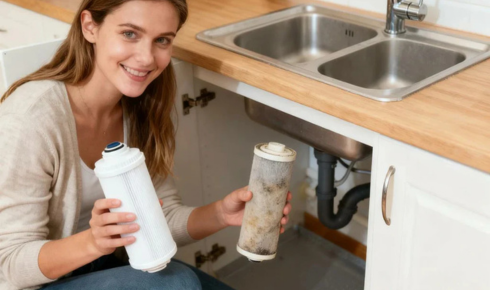
That’s why so many homeowners gravitate toward a kitchen under sink filter as an early step. It feels manageable. It doesn’t disrupt the whole house. And it directly improves the water you consume the most.
For many, this small change is eye-opening. Water tastes cleaner. Ice cubes look clearer. Coffee suddenly feels more consistent. It’s not a dramatic transformation, but it’s noticeable enough to make people wonder what else their water might be affecting.
Water affects more than what you drink
Once you notice improvements in one place, it’s hard not to look around. Showers. Laundry. Appliances. Fixtures. Water touches everything, even when we’re not thinking about it.
Hardness can quietly shorten the life of a water heater. Sediment can clog valves. Chlorine can dry skin and fade fabrics. None of this happens overnight, which is why it’s easy to miss. But over years, it adds up—to more maintenance, more replacements, more workarounds.
This is often when the conversation shifts from point-of-use fixes to broader solutions.
Thinking bigger without going overboard
At some point, homeowners start asking whether treating water at one tap is enough. That’s when the idea of a whole home water system enters the picture—not as a status symbol, but as a practical option.
The appeal isn’t complexity. It’s consistency. Every tap behaves the same way. Every appliance gets the same water. You don’t have to remember which faucet is filtered or which shower dries your skin less. Water just works the same everywhere.
For families or people planning to stay in their home long-term, this kind of consistency can feel like a relief rather than an upgrade.
Avoiding the “fix everything” mindset
One thing experienced homeowners often learn is that more treatment isn’t always better. It’s tempting to chase perfection—add layers, remove everything, aim for ultra-pure water. But water that’s stripped too far can feel flat or even cause its own problems.
Good water improvement is about balance. You remove what causes issues and leave the rest alone. You respond to actual conditions instead of hypothetical ones. This measured approach tends to lead to better outcomes and fewer regrets.
Water doesn’t need to be perfect. It needs to be appropriate.
How better water changes daily habits
What surprises many people isn’t the technical side of improved water—it’s the behavioral side. People drink more water without trying. Bottled water purchases quietly disappear. Soap lathers more easily. Dishes come out cleaner without extra rinsing.
Even chores feel different. Less scrubbing. Less buildup. Less frustration. These changes don’t demand attention, but they make daily routines smoother. Over time, that smoothness becomes the new normal.
And that’s when you realize how much effort you were putting into working around your water before.
The long-term value of knowing your water
Water quality isn’t static. It shifts with seasons, rainfall, local development, and aging infrastructure. Testing once is helpful. Testing periodically is empowering. It gives you a baseline and lets you spot trends before they become problems.
This long-term perspective turns water care into a quiet routine rather than a reactive scramble. You check in. You adjust if needed. You move on. There’s no drama, just awareness.
For homeowners, that awareness often feels like control in the best sense of the word.
Confidence is the real upgrade
There’s an emotional side to water that rarely gets discussed. Confidence. Knowing what’s in your water. Knowing why it behaves the way it does. Knowing you’ve chosen solutions that actually fit your home.
That confidence shows up in small ways. You fill a glass without hesitation. You don’t second-guess cooking water. You trust what’s coming out of the tap. Water fades back into the background, where it belongs.
A quiet ending, by design
Rethinking your water isn’t about chasing trends or fearing contaminants. It’s about paying attention to something fundamental and deciding it deserves understanding. When you do, the path forward usually becomes clearer—and simpler—than you expected.
Good water doesn’t announce itself. It supports your home quietly, consistently, without asking for attention. And once it’s doing that, you’re free to forget about it again.
Sometimes, the best improvements are the ones that let life feel easier without making a fuss about it.