Blog

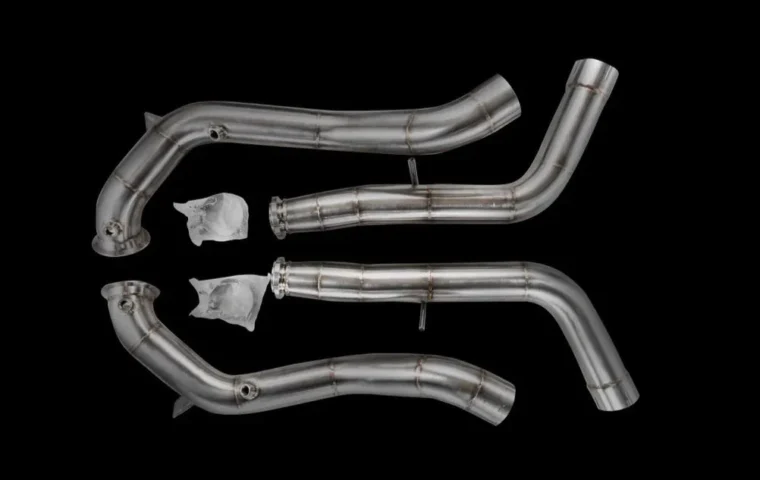
  • Mercedes-AMG Downpipes for GT63 X290, E53 AMG and E63 W213

    Mercedes-AMG Downpipes for GT63 X290, E53 AMG and E63 W213

    Mercedes-AMG vehicles are built for drivers who appreciate a combination of power, refined engineering, and an unmistakable exhaust note. From the aggressive GT63 to the versatile E53 AMG and performance-focused E63 W213, these models offer an exciting foundation for exhaust modifications. For enthusiasts looking to personalize their driving experience, downpipes are an important component to consider.

    A well-chosen downpipe upgrade can change exhaust sound and flow characteristics, depending on the design and the vehicle’s existing configuration. However, selecting the right components requires more than simply comparing prices. Fitment, material quality, emissions compliance, and professional installation all play important roles in achieving a dependable result.

    Understanding Mercedes-AMG Downpipe Upgrades

    A downpipe connects the turbocharger outlet to the rest of the exhaust system. In turbocharged engines, its design influences how exhaust gases travel through the system. Depending on the configuration, an aftermarket downpipe may reduce restrictions and create a more pronounced exhaust note.

    The results vary according to the engine, catalytic converter arrangement, ECU calibration, and other supporting modifications. Some drivers prioritize a subtle improvement in sound, while others want a more aggressive performance-oriented setup.

    Before purchasing any exhaust component, check the exact vehicle generation, model year, engine variant, and existing emissions equipment. Mercedes-AMG models can have different exhaust layouts even when their names appear similar.

    Mercedes-AMG GT63 X290 Downpipes

    The Mercedes-AMG GT63 X290 attracts enthusiasts who want luxury, dramatic styling, and powerful performance in one package. Its exhaust system contributes to the vehicle’s distinctive character, making carefully selected upgrades appealing to owners seeking a more personalized sound.

    mercedes gt63 x290 downpipes  should be chosen according to the precise GT63 variant and factory exhaust configuration. A compatible system can help deliver the intended exhaust tone while maintaining proper connections and clearances around surrounding components.

    Material selection also matters. High-quality stainless steel is commonly used in performance exhaust manufacturing because it offers durability and resistance to corrosion. Consistent welds, accurate sensor provisions, and appropriate heat management are additional features worth evaluating before making a purchase.

    Professional installation can help prevent exhaust leaks, unwanted vibrations, and fitment problems. Owners should also consider whether an exhaust modification could affect warranty coverage or compliance with local road-use regulations.

    Downpipe Options for the Mercedes E53 AMG

    The Mercedes E53 AMG offers a blend of everyday comfort and sporty performance. Drivers who want to personalize its exhaust characteristics should look for components designed specifically for their model and engine configuration.

    A downpipe mercedes e53 amg  upgrade may change exhaust sound and flow, but the extent of any performance improvement depends on the complete setup. It is important to review the manufacturer’s specifications instead of relying entirely on general performance claims.

    Check compatibility with oxygen sensors, catalytic converters, and the factory exhaust connections. If ECU tuning is being considered alongside the hardware upgrade, consult a qualified specialist to determine whether the components work together safely and reliably.

    Mercedes E63 W213: Catted and Catless Downpipes

    The Mercedes-AMG E63 W213 is popular among enthusiasts who appreciate strong acceleration and a commanding exhaust note. When exploring aftermarket options, one of the main decisions involves choosing between catted and catless downpipes.

    mercedes e63 w213 catted and catless downpipes  differ primarily in their catalytic converter configuration. Catted versions retain catalytic converters, although their design and emissions performance depend on the specific product. Catless versions remove catalytic converters from the modified section, which can significantly increase emissions and may create legal, inspection, or roadworthiness problems.

    Catless configurations may also produce stronger exhaust odors, trigger engine warning lights, and require additional calibration. Neither option guarantees a particular power increase. Buyers should check local regulations and consider emissions-compliant alternatives before modifying the original system.

    Choosing the Right Components

    When comparing downpipes for Mercedes-AMG models, prioritize accurate fitment, durable construction, clear product documentation, and compatibility with the factory electronics. A reputable installer can inspect the existing exhaust system and explain potential consequences before work begins.

    After installation, the exhaust should be checked for leaks, sensor-related faults, unusual noises, and clearance issues. Following the manufacturer’s recommendations can also help maintain long-term reliability.

    Conclusion

    Downpipe upgrades can offer Mercedes-AMG GT63 X290, E53 AMG, and E63 W213 owners different ways to personalize their vehicles. The right choice depends on the specific model, desired exhaust character, component quality, and applicable emissions requirements. By researching compatibility carefully and choosing professional installation, enthusiasts can make better-informed decisions while protecting their vehicle’s reliability and road legality.

  • Moving Across Mumbai Without the Chaos: Choosing the Right Moving Company

    Moving Across Mumbai Without the Chaos: Choosing the Right Moving Company

    Moving to a new home in Mumbai can be exciting, but let’s be honest, it can also test your patience. Between busy roads, apartment rules, narrow lanes, elevators that seem to have a mind of their own, and the sheer amount of stuff we collect over the years, relocation is rarely as simple as putting everything into a few boxes.

    Still, moving doesn’t have to become an exhausting experience. A reliable professional moving company can take care of the heavy lifting, packing, transportation, and unloading while you focus on settling into your new place. The trick is finding a company that actually deserves your trust.

    Whether you’re shifting within Mumbai or moving from the city to another part of India, a little planning beforehand can save you plenty of stress later.

    Think About What Your Move Really Involves

    Before calling a moving company, take a walk through your home and look at everything with fresh eyes. How many large pieces of furniture are there? Do you have expensive electronics, glassware, artwork, appliances, or delicate decorations?

    Also consider whether you want the movers to pack everything or whether you’d rather handle smaller belongings yourself. Some people like packing their clothes and personal items because it gives them control. Others would happily hand over the entire job and never look back.

    There isn’t a right or wrong approach. The important thing is knowing what you need before requesting a quotation.

    Don’t Make Price the Only Deciding Factor

    Cost is obviously important. Moving can already be expensive, and nobody wants to pay more than necessary. But the lowest quote isn’t always the best deal.

    A very cheap quotation may exclude packing materials, additional labour, loading fees, insurance, or other services. Once the move is underway, these charges can become frustrating surprises.

    When comparing Packers and Movers Mumbai, look at the complete package rather than just the initial number. A slightly higher price may be worthwhile if the company provides better packing, trained workers, reliable transportation, and clear terms.

    A damaged wardrobe or broken television can cost much more than what you saved by choosing the cheapest option.

    Check Reviews Before You Book

    Online reviews are useful, but they need a little common sense. Don’t just look at the overall star rating and stop there.

    Read what previous customers actually say. Are people talking about careful handling? Was the team punctual? Were there unexpected charges? Did the company respond properly when something went wrong?

    One negative review doesn’t necessarily mean a company is terrible. Things happen. But if the same complaint appears again and again, that’s a pattern worth noticing.

    You can also ask friends, neighbours, or colleagues about their moving experiences. Someone who has recently moved can often tell you things that a polished website won’t.

    Mumbai Requires Practical Planning

    Mumbai isn’t the easiest city for moving large household items. Traffic can be unpredictable, parking can be limited, and some residential buildings have strict rules about when movers are allowed to enter.

    Before the moving date, tell the company exactly where you’re moving from and where you’re going. Mention the floor number, elevator availability, parking situation, narrow entrances, or any building restrictions.

    If you’re moving into a high-rise apartment, check whether the society requires prior permission. Some buildings have designated moving hours or require deposits for service workers.

    These details might seem boring when you’re planning the move, but they’re exactly the things that can cause delays if ignored.

    Good Packing Is Worth Paying Attention To

    Packing isn’t just about putting objects inside cardboard boxes. The way belongings are packed can make a major difference to their condition when they arrive.

    Fragile items should receive suitable protection, while furniture may need wrapping or corner protection. Electronics should be handled carefully, particularly televisions, computers, and appliances with delicate surfaces.

    Ask what materials the company uses and whether fragile belongings are labelled separately. It’s also helpful if boxes are marked according to rooms.

    Imagine arriving at your new home and seeing twenty-five identical boxes. Now imagine knowing exactly which box contains your kitchen essentials. That small label suddenly feels like a brilliant idea.

    Ask About Insurance and Liability

    Nobody expects something to go wrong, but professional planning means preparing for the possibility.

    Ask the moving company about transit insurance and its policy for damaged or missing belongings. Find out what happens if furniture gets scratched or an appliance is damaged during transportation.

    For valuable belongings, take photographs before they’re packed. Keep receipts or other proof of ownership for particularly expensive items when available.

    Important documents, jewellery, cash, and sentimental items that cannot be replaced are generally better kept with you rather than placed in the moving vehicle.

    Compare Services Carefully

    Not all moving companies offer the same service. One company may provide full packing and unpacking, while another may only load your belongings and transport them.

    This is where comparing companies such as Agarwal Packers and Movers Mumbai can help you understand what different service packages include. Don’t assume that two similar quotations cover exactly the same work.

    Ask about packing, loading, transportation, unloading, unpacking, insurance, storage options, and additional labour. Getting these details in writing is even better.

    Clear communication before the move usually means fewer arguments after it.

    Create a Simple Inventory

    An inventory doesn’t need to be complicated. A notebook, spreadsheet, or phone note can do the job.

    List the major belongings and label your boxes. For example, you might have “Kitchen – utensils,” “Bedroom – clothes,” or “Living Room – books.”

    For expensive electronics and furniture, take photographs before packing. Once everything reaches your new home, you can compare your inventory and make sure nothing important has been missed.

    This is especially helpful during larger moves where dozens of boxes are involved.

    Watch Out for Hidden Charges

    Ask about additional costs before signing anything.

    Some companies may charge extra for stairs, additional floors, long carrying distances, waiting time, packing supplies, storage, weekend moves, or difficult access.

    It doesn’t hurt to ask direct questions. In fact, a good moving company should expect you to ask.

    Be cautious if someone gives you an unusually vague quotation and refuses to explain what is included. Transparency matters when you’re trusting a company with almost everything you own.

    Don’t Leave Everything Until Moving Day

    A little preparation can make the actual moving day surprisingly calm.

    Start sorting your belongings several days or even weeks before the move. Get rid of things you don’t use. Donate clothes that have been sitting untouched. Dispose of broken items rather than paying someone to transport them.

    Keep a separate bag with clothes, toiletries, chargers, medicines, snacks, important documents, and other essentials. You may not unpack everything on the first night, and that’s completely fine.

    The goal isn’t to make your new home perfect immediately. It’s simply to make the first few hours comfortable.

    The Right Mover Can Change the Entire Experience

    Relocation will always involve some amount of disruption. That’s part of moving. There may be traffic, a delayed elevator, a box that goes missing for ten minutes, or a sofa that suddenly seems determined not to fit through the doorway.

    But good planning makes those moments easier to handle.

    Take time to compare companies, understand the quotation, read genuine customer feedback, discuss packing standards, and clarify insurance and additional charges. Don’t be afraid to ask questions before handing over your belongings.

    Ultimately, a good moving company isn’t just transporting furniture from one address to another. It’s helping you move from one chapter of your life into the next with a little less stress.

    And when the last box is finally inside your new Mumbai home, that’s a service you’ll probably appreciate more than you expected.

  • White Label Guest Posting: A Practical Workflow for Growing Digital Content Services

    For small agencies, freelance marketers, and in-house teams, publishing useful content on relevant third-party websites can be difficult to manage at scale. The work involves prospecting, checking site quality, pitching editors, preparing articles, confirming placements, and reporting results. White label guest posting is one way to separate those operational tasks from the client-facing work, but it only works well when quality controls are clear.

    What does white label guest posting mean?

    Q: How does a white label arrangement work?

    A: A provider handles some or all of the outreach and placement process, while the agency presents the finished work under its own brand. Depending on the agreement, the provider may supply publication options, coordinate editorial communication, write content, or deliver a completed live URL for reporting.

    The point is not simply to obtain links. A responsible guest-posting process should aim to place genuinely useful articles on sites with an appropriate audience. That matters for readers, publishers, and the long-term credibility of the client’s website.

    Why do teams use this model?

    Q: What problem does it solve for a growing marketing team?

    A: It reduces the amount of repetitive administration required to run content outreach. An agency may have strong strategy, client communication, and creative skills but lack the time to build and maintain a large publisher network. Outsourcing the operational layer can leave the internal team free to focus on research, campaign direction, landing pages, and performance analysis.

    It can also make capacity more predictable. Rather than hiring a full-time outreach specialist before demand is stable, a smaller team can add placements to a monthly service package when needed.

    The process behind a reliable campaign

    Q: What should happen before an article is pitched?

    A: The campaign should begin with relevance, not a list of websites with impressive-looking metrics. Define the client’s audience, subject areas, geographical focus, and the pages that deserve support. A home technology brand, for example, may benefit more from a detailed article on energy-saving smart-home routines than from a generic placement on an unrelated business blog.

    A sensible workflow usually includes the following stages:

    1. Briefing: Set the topic, audience, desired page, anchor-text approach, tone, and any claims that need evidence.
    2. Publisher review: Check whether a site has real editorial content, a relevant readership, clear ownership, and a reasonable publishing history.
    3. Content planning: Choose an article angle that contributes something useful rather than forcing a commercial mention into a weak topic.
    4. Editorial production: Write, edit, fact-check, and format the article according to the publisher’s requirements.
    5. Placement and review: Confirm that the published page is accessible, the article is accurate, and the link points to the intended destination.
    6. Reporting: Record the URL, publication date, topic, destination page, and any notes the client needs.

    Teams looking to understand the service structure can review white label guest posting as part of a broader content-distribution workflow. The important part is to treat the workflow as editorial collaboration, not a volume-only exercise.

    How should publishers be evaluated?

    Q: Are traffic and authority scores enough to judge a website?

    A: No. Third-party metrics can be helpful signals, but they are not a substitute for human review. A site may have a high score while publishing thin, unrelated, or clearly automated articles. Conversely, a smaller specialist publication may be highly valuable because its audience is precisely aligned with the topic.

    Look for these practical signs:

    • A clear theme that matches the proposed article.
    • Recent posts written for readers rather than search engines alone.
    • Named authors, contact information, or an identifiable editorial presence.
    • Natural outbound links that are relevant to the surrounding content.
    • A reasonable balance of informational and commercial material.
    • No obvious pattern of publishing dozens of unrelated articles every day.

    For technology topics, relevance is especially important. A guide to setting up parental controls belongs on a family-tech, cybersecurity, or digital-wellbeing site—not on a page that exists solely to host links.

    What role should AI play in the content?

    Q: Can generative AI make outreach content faster to produce?

    A: It can assist with outlines, source discovery, headline variations, and editing checks. It should not replace subject knowledge, original analysis, or editorial accountability. AI-generated drafts often repeat common advice, invent details, and miss the subtle needs of a publication’s readers.

    A useful approach is to use tools for routine tasks, then apply human review to every factual claim, example, and recommendation. Writers should also avoid inserting unsupported statistics merely to make an article appear authoritative. Clear, accurate explanations are more valuable than inflated claims.

    Common mistakes to avoid

    Q: What causes guest-posting campaigns to underperform?

    A: The most common issue is treating every placement as interchangeable. When topics are generic and links are forced, publishers receive weak submissions and readers receive little value. Other avoidable problems include using the same anchor text repeatedly, sending vague briefs, overlooking local audience differences, and failing to check a page after publication.

    Another mistake is measuring success only by the number of placements delivered. Useful reporting should connect each article to a campaign goal: visibility in a relevant community, support for a useful resource page, referral potential, or improved topical coverage. Search performance can take time and is influenced by many factors, so it should not be promised as an automatic outcome.

    Building a sustainable service

    Q: How can an agency keep quality high as volume increases?

    A: Create a written standard for publishers, content, and reporting. Maintain a list of sites that have performed well, record editor preferences, and remove sources that become low quality. Give clients realistic expectations and ask them for subject expertise when their industry is specialised.

    The strongest white label process is quiet, organised, and reader-focused. It helps an agency expand its services without losing control of strategy, while ensuring that each published article has a clear reason to exist beyond the link it contains.

  • What’s Really in Your Water? Understanding the Signs You Shouldn’t Ignore

    What’s Really in Your Water? Understanding the Signs You Shouldn’t Ignore

    Most of us don’t spend much time thinking about the water coming from the kitchen faucet. We fill a glass, make coffee, wash vegetables, take a shower, and move on with the day. As long as the water looks reasonably clear, it’s easy to assume everything is fine.

    But water can be a little deceptive.

    Changes in taste, smell, color, or even the stains appearing around a sink can tell you quite a bit about what’s happening inside your water supply. Some problems are mostly annoying. Others deserve a closer look, especially when the same strange signs keep coming back.

    Understanding those clues doesn’t require becoming a water-treatment expert. It mostly means paying attention to what your home is already telling you.

    When Clear Water Isn’t the Whole Story

    One of the tricky things about water quality is that appearance alone doesn’t reveal everything. A glass of water may look perfectly normal while still containing minerals, microorganisms, or other substances that affect its quality.

    This is particularly relevant for homes using private wells, although municipal water can develop issues too. Plumbing conditions, aging pipes, nearby construction, changes in the water source, or problems within the home itself can all influence what eventually reaches the faucet.

    Microbial contamination is one concern worth taking seriously. Certain types of bacteria can enter water through groundwater contamination, damaged well components, plumbing problems, or other environmental sources. You generally can’t identify them just by looking at the water, which is why testing matters when contamination is suspected.

    That doesn’t mean every unusual smell is an emergency. Far from it. But persistent changes shouldn’t simply become “that weird thing our water does.”

    Those Orange and Brown Stains Have a Story

    Ever noticed reddish-orange marks around a bathtub, toilet bowl, sink, or outdoor faucet?

    They’re not exactly attractive, but they’re also useful clues.

    A common explanation is iron in the water. It may be naturally present in groundwater and isn’t always obvious when water first comes from the tap. Once exposed to air, however, oxidation can occur and those familiar rusty colors begin appearing.

    People often first notice the problem through laundry. White clothes may gradually develop yellowish or rusty discoloration, while sinks and fixtures seem impossible to keep clean for long.

    There can also be a metallic taste.

    The frustrating part is that homeowners sometimes attack the stains rather than the water causing them. You scrub the sink on Saturday, it looks great, and by the following week the discoloration is creeping back. At some point, buying stronger cleaner stops making much sense.

    Finding the source is usually more useful.

    What About Dark or Blackish Marks?

    Not every mineral problem produces orange stains. Dark brown or nearly black marks can point in another direction.

    Elevated manganese may cause discoloration on plumbing fixtures and sometimes affect the appearance or taste of water. Like other naturally occurring minerals, its concentration can vary considerably depending on the local geology and water source.

    This is where guessing becomes unreliable.

    Two homes on the same road can experience surprisingly different water conditions, particularly when they rely on separate wells. Depth, groundwater movement, surrounding soil and rock, and the condition of each water system all play a part.

    A neighbor’s solution might therefore be useful information, but it isn’t necessarily your solution.

    Smell and Taste Deserve Attention Too

    Water doesn’t need to change color before you notice something is off.

    Sometimes smell gets your attention first.

    A sulfur-like or “rotten egg” odor is one of the more recognizable complaints. In other situations, water may taste metallic, salty, earthy, or simply different from what you’re accustomed to.

    Before assuming the entire water supply has changed, try narrowing things down.

    Does the smell occur at every faucet or only one? Is it present in cold water, hot water, or both? Did it appear suddenly? Has plumbing work recently been completed?

    For example, an odor appearing only in hot water may point toward a different issue than an odor coming from every cold-water faucet in the house.

    Small observations like these can save a lot of unnecessary troubleshooting.

    Testing Beats Guessing

    It’s tempting to diagnose water problems from stains, odors, or internet photos. Those clues are helpful, but they’re not a substitute for knowing what’s actually in the water.

    A proper water test provides something much more valuable: a baseline.

    Once you know what’s present and at what concentration, treatment decisions become far more sensible. Instead of buying equipment because a salesperson says “this system handles everything,” you can choose an approach designed around the actual problem.

    That distinction matters because water treatment isn’t one-size-fits-all.

    Sediment filtration, water softening, oxidation systems, activated carbon, reverse osmosis, disinfection, and other treatment methods solve different problems. Sometimes more than one method is needed. Sometimes the issue is surprisingly simple.

    And occasionally, no major treatment system is necessary at all.

    Don’t Forget the Plumbing Inside the House

    Here’s another wrinkle: the water source isn’t always responsible.

    Older pipes, corroded fixtures, water heaters, faucet aerators, or neglected filters can change water after it has already entered the home.

    If water looks strange from one faucet but normal everywhere else, that’s an important clue. Likewise, discoloration that appears briefly after water hasn’t been used for several hours may suggest something different from a problem occurring continuously throughout the house.

    Before spending money on a whole-house system, it makes sense to understand where the change begins.

    Paying Attention Is the Best First Step

    Good water quality often goes unnoticed because, well, that’s how it should be. You turn on the faucet and don’t think twice about it.

    When something changes, though, curiosity is useful.

    Look at recurring stains. Notice unusual odors. Pay attention when taste changes or sediment begins collecting where it never did before. Ask whether the issue affects one fixture or the entire house, and consider testing rather than relying on assumptions.

    Water problems aren’t always dramatic. Often they’re quiet, repetitive little signs we’ve learned to ignore.

    Sometimes that ring around the sink really is just another cleaning job. Other times, it’s your water giving you a fairly obvious hint that it’s worth finding out what’s going on.

  • Where Sound Becomes Emotion, Memory & Meaning

    Where Sound Becomes Emotion, Memory & Meaning

    Although music can often be classified as entertainment, its value in our lives extends much further than merely creating noise. Melody can evoke memories from childhood, the rhythm can affect the mood of the entire audience, while quiet instrumental passages can convey emotions that cannot be described through words. That is why music is considered an art form, as it converts the sound organization into a unique experience, which can be perceived and felt.

    It should be noted that unlike paintings, which can be seen and comprehended in one moment, music is perceived in time. Every note appears, disappears, and makes place for another one. Silence becomes part of the musical composition, while the rhythm, melody, harmony, and tone create movements and unique characteristics. Thus, music is not limited only to the sounds themselves but also to the interconnections between them.

    Creativity Gives Music Its Soul

    Creativity forms the basis of music as an art form. A composer, songwriter or musician, including Kolkata call girls exploring their musical interests, uses elements that are known to come up with something that is unique. Even though the notes have been around for many years, their arrangement can make them sound brand new.

    Creativity does not always require one to come up with something intricate. Sometimes, simplicity of a tune performed with earnestness can be better than an arrangement of notes in complex ways. There is much artistic choice involved in the decision of which note to perform and which to leave out. The creative process thus requires both imagination and restraint in equal measure. The knowledge of when too much is enough is as crucial as imagination itself.

    Emotion Lives Between the Notes

    One of the most amazing features of music is that it can convey emotions not through language alone. Hyderabad call girls may connect with different musical moods, as slow tunes can seem contemplative, whereas strong rhythms can generate energy and excitement. Alterations of the tempo, dynamics, harmony, and tone affect the perception of a piece of music.

    Nevertheless, emotions conveyed by means of music are hardly predictable. The same song can be perceived in various ways. One person can listen to a certain tune and think about his/her relationship, while another person can think about travel or celebrations, for instance.

    The Beauty of Musical Structure

    Creative work is not necessarily disordered work; music shows us that structure can actually enhance creativity. In a song, an artist may create a feeling of anticipation by means of repetition and then add something new. An artist may use dissonance to create a feeling of tension, and follow it with harmony. An artist may raise volume levels gradually, bringing a sense of inevitability to a climax.

    These decisions bring structure into music; they set expectations and allow artists to fulfill, delay, or subvert them. It resembles the storytelling process: just like characters, the pace of the narration and events are used by a storyteller to keep the audience interested; Chennai call girls can appreciate how rhythm, melody, harmony, texture, and form are used by musicians.

    Conclusion

    This is an art because it creates form out of something which would be very hard to convey. Music conveys emotion, helps keep memories, reflects cultures, challenges, and connects people regardless of whether they speak the same language. This art is unique in the way it combines structure and freedom. Rhythm brings life, melody gives identity, harmony creates color, silence allows space, and performance gives life to all the elements.

    Above all, music allows for interpretation. Music does not tell us how to interpret emotions conveyed by this art. On the contrary, music lets us listen to the sounds and try to figure out our own interpretation. And that is why music is one of the most lasting art forms created by humanity. While a musical piece might last only several minutes, the emotion that it generates can last for years to come. In moments like these, sound becomes memory, rhythm becomes emotion, and notes become something else: an art.

  • What’s Really in Your Water? Understanding Iron, Sulfur, and Sediment

    What’s Really in Your Water? Understanding Iron, Sulfur, and Sediment

    There’s something easy to forget about water: clear doesn’t always mean clean. You can turn on the kitchen tap and see perfectly normal-looking water, only to notice a strange smell, metallic taste, or gritty residue a few days later. These signs often point to naturally occurring minerals or particles making their way into your water supply.

    For homeowners using private wells especially, water quality can change over time. Groundwater moves through soil and rock, picking up minerals along the way. Some of those substances are harmless but annoying; others may affect plumbing, appliances, or the overall quality of water you use every day.

    Among the most common concerns are iron, sulfur, and sediment. Understanding where they come from and what they do is a good first step toward choosing the right water treatment approach.

    Why Water Problems Aren’t Always Easy to Spot

    Water quality issues don’t necessarily arrive with dramatic warning signs. Sometimes, the first clue is a faint orange stain around a sink drain. Other times, your shower suddenly smells like rotten eggs. You might even notice tiny particles collecting at the bottom of a glass.

    Well water can be particularly unpredictable because its quality depends on local geology, groundwater conditions, and the condition of the well itself. Seasonal changes can also play a part.

    Municipal water supplies are generally treated before reaching homes, but that doesn’t mean every household has identical water quality. Plumbing materials, aging pipes, and localized conditions can still influence what comes out of a faucet.

    The important thing is not to assume that one visible or noticeable problem tells the whole story. Water testing can reveal issues that aren’t obvious by sight, taste, or smell.

    The Trouble With Iron in Household Water

    Iron is one of the more common minerals found in groundwater. In small amounts, it may not be a major health concern, but it can become a frustrating household problem.

    One familiar sign is reddish-brown staining. Toilets, sinks, tubs, and light-colored laundry may develop rusty-looking marks. Once those stains build up, they can be surprisingly stubborn to remove.

    Iron can exist in different forms in water, which matters when selecting a treatment system. Dissolved iron may make water appear clear when it first comes from the tap, then turn yellow, orange, or brown after exposure to air. Other forms can already be visible as particles.

    High iron levels may also affect taste and leave water with a metallic character. Over time, iron deposits can contribute to buildup inside plumbing fixtures and water-using appliances.

    The right treatment depends on the concentration and form of iron present. That’s why a proper water analysis is usually more useful than simply buying a filter based on a guess.

    Why Sulfur Creates That Unmistakable Smell

    Few household water problems are as recognizable as the smell of rotten eggs. In many cases, the culprit is hydrogen sulfide gas, which can occur naturally in groundwater.

    Sulfur-related odors can be noticeable when you turn on a faucet, take a shower, or run hot water. Sometimes the smell is mild. Other times, it seems to fill the entire bathroom within seconds. Nobody wants that first thing in the morning.

    Sulfur can come from natural geological conditions, certain bacteria, or reactions occurring within a water system. Hot water can make the odor seem stronger because heat encourages gases to escape from the water.

    An important point is that odor alone doesn’t tell you exactly what is happening. If sulfur smells appear suddenly or become much stronger, testing the water and inspecting the well and plumbing system is a sensible move.

    Treatment options can include aeration, oxidation, filtration, or other specialized systems, depending on the cause and concentration. A professional can help determine which approach makes sense instead of treating the smell blindly.

    Sediment: The Problem You Can Actually See

    Some water problems announce themselves with tiny bits of grit. sediment can include sand, silt, clay, rust particles, and other suspended material entering the water supply.

    It’s particularly common in private wells, especially when a well is disturbed, repaired, poorly constructed, or affected by changing groundwater conditions. Construction or maintenance work can also temporarily increase sediment levels.

    At first glance, sediment might seem like a minor inconvenience. But it can be harder on plumbing and appliances than many homeowners realize.

    Particles can collect in faucet aerators, clog fixtures, reduce filter life, and contribute to wear in water-using equipment. If you have an expensive water treatment system installed downstream, excessive sediment can also make that system work harder than necessary.

    A sediment pre-filter is often useful because it captures larger particles before water reaches more sensitive treatment equipment. But again, the appropriate filter depends on particle size and the actual water conditions.

    One Filter Doesn’t Solve Every Water Problem

    This is where homeowners sometimes get caught out. There isn’t one universal filter that removes everything from every water supply.

    A sediment filter is designed for physical particles. An iron treatment system may use oxidation and filtration. Sulfur odors can require a different process altogether. Meanwhile, concerns involving bacteria, hardness, chlorine, or other contaminants may require completely different technologies.

    In other words, water treatment should be based on what’s actually in the water.

    Testing can help identify mineral concentrations, pH, hardness, bacteria, and other characteristics that influence treatment choices. For well owners, periodic testing is especially valuable because groundwater conditions can change.

    It’s also worth considering how the water is used. Drinking water may require different treatment priorities than water used primarily for bathing, laundry, or irrigation.

    Protecting Your Plumbing Along the Way

    Water quality isn’t only about what’s comfortable to drink or pleasant to shower in. Poor water conditions can quietly affect the infrastructure of your home.

    Mineral deposits may accumulate inside pipes and fixtures. Sediment can restrict flow or clog small openings. Iron staining can damage the appearance of fixtures and make cleaning a constant chore. Sulfur-related compounds can also create unpleasant odors throughout the home.

    Over time, these issues may contribute to additional maintenance costs. Treating the underlying water problem can therefore be part of protecting appliances, plumbing fixtures, and household equipment.

    A whole-home treatment strategy can make sense when a problem affects water throughout the property. In other situations, a point-of-use filter at a kitchen faucet may be enough. The best choice depends on the water analysis and the homeowner’s priorities.

    When It Makes Sense to Test Your Water

    If your water suddenly changes color, taste, smell, or appearance, don’t ignore it. A basic water test can provide useful information and prevent you from spending money on the wrong equipment.

    Testing is also a smart idea if you rely on well water, have recently had well or plumbing work completed, or notice recurring stains and odors.

    Keep an eye out for:

    • Orange or brown staining around fixtures
    • Rotten-egg or sulfur-like odors
    • Grit or particles in drinking water
    • Cloudiness that doesn’t clear
    • Changes in water taste
    • Clogged faucet aerators or filters
    • Unusual changes after heavy rain or well maintenance

    None of these signs automatically means your water is dangerous. But they’re good reasons to investigate.

    Cleaner Water Starts With Knowing What’s There

    Iron, sulfur, and sediment are common water-quality challenges, particularly in groundwater systems, but they don’t have to become permanent household headaches. The key is understanding the source of the problem before choosing a solution.

    A good water treatment plan isn’t about buying the biggest filter or installing the most complicated equipment. It’s about matching the treatment technology to the actual conditions of your water.

    And honestly, that little bit of detective work can save a lot of frustration later. When you know what’s coming through the tap, you can make smarter decisions about filtration, maintenance, and long-term water quality.

    Clean, reliable water is one of those things you notice most when you don’t have it. Taking the time to understand your home’s water today can help keep the taps, appliances, plumbing, and the people using them happier for years to come.

  • Why Well-Maintained Plumbing Fixtures Make Everyday Life Easier

    Why Well-Maintained Plumbing Fixtures Make Everyday Life Easier

    The Little Things That Keep a Home Running

    It’s funny how the smallest parts of a home often have the biggest impact. We rarely stop to appreciate a faucet that turns on without a hitch or a toilet that flushes exactly as it should. They’re simply expected to work. Until one day they don’t.

    Most homeowners have experienced that moment—a dripping tap that suddenly becomes impossible to ignore, a shower with disappointing water pressure, or a sink that drains slower every week. At first, these seem like minor inconveniences. Life gets busy, so they move down the priority list.

    The problem is that water rarely waits for the perfect time. Small issues have a way of becoming expensive ones when they’re ignored long enough.

    Taking care of your home’s water systems isn’t just about preventing emergencies. It’s about making everyday life a little smoother, a little less stressful, and, surprisingly, often a little less expensive.

    Every Home Relies on Quality Fixtures

    Walk through your kitchen and bathrooms for a minute. Count every faucet, showerhead, toilet, sink, and valve you use without thinking. Chances are, there are dozens of components quietly doing their job every single day.

    These plumbing fixtures handle thousands of uses every year. Hot water, cold water, mineral deposits, changing temperatures, and constant movement slowly wear them down. Even products built to last eventually begin showing signs of age.

    Loose handles, rust stains, persistent drips, or reduced water flow usually don’t happen overnight. They’re gradual reminders that regular maintenance matters more than many people realize.

    The good news? Catching problems early is usually simple—and far less costly than dealing with major water damage later.

    Small Repairs Protect Bigger Investments

    One loose connection under a sink might not seem urgent. A tiny leak around a faucet may barely leave a puddle. But water has an unfortunate talent for finding hidden places.

    Cabinets begin swelling. Drywall absorbs moisture. Mold quietly develops behind surfaces where nobody notices until the smell appears.

    That’s why timely repair and replacement should never be viewed as an unnecessary expense. In many cases, fixing a worn washer or replacing an aging valve prevents thousands of dollars in restoration work later.

    Think of it like replacing worn tires before they fail on the highway. Preventive action feels ordinary today but incredibly valuable tomorrow.

    Modern Homes Deserve Efficient Water Systems

    Technology has quietly improved almost every part of the modern home, and water fixtures are no exception.

    Today’s faucets are designed to reduce water waste without sacrificing pressure. Showerheads provide a comfortable experience while using significantly less water. Dual-flush toilets help conserve gallons every day, and touchless fixtures have become increasingly popular for convenience and hygiene.

    Many homeowners initially choose upgrades because they like the appearance. Then, a few months later, they notice lower water bills and fewer maintenance issues.

    Sometimes style and practicality actually work together.

    DIY Can Be Rewarding—Sometimes

    There’s something satisfying about fixing things yourself.

    Replacing a showerhead or tightening a loose handle can be a great weekend project. Plenty of homeowners enjoy learning basic maintenance skills, and there’s certainly value in understanding how your home works.

    Still, not every project belongs on a DIY checklist.

    A hidden pipe connection installed incorrectly may not leak immediately. Instead, it slowly damages walls for months before anyone realizes what’s happening.

    Water doesn’t usually forgive shortcuts.

    Knowing your limits isn’t a weakness. It’s often what prevents a simple project from becoming an expensive repair.

    Why Professional Help Still Matters

    There are moments when experience simply makes all the difference.

    Professional plumbing services bring more than tools to the job. They bring years of diagnosing problems that aren’t always obvious at first glance.

    What appears to be a leaking faucet might actually be excessive water pressure. A constantly running toilet could indicate a larger valve issue. Poor water flow sometimes has little to do with the faucet itself and everything to do with aging supply lines.

    Experienced technicians don’t just repair what’s visible—they often identify the cause before it creates another problem.

    That kind of knowledge saves homeowners both time and money over the years.

    Regular Maintenance Isn’t Complicated

    Home maintenance sounds overwhelming until you realize how much can be accomplished in just a few minutes every month.

    A simple routine can go a long way:

    • Look beneath sinks for signs of moisture.
    • Clean faucet aerators to improve water flow.
    • Listen for running water after toilets finish flushing.
    • Check around tubs and showers for worn caulking.
    • Pay attention to changes in water pressure.

    None of these tasks require hours of work. Yet together, they help prevent many common household plumbing problems before they become emergencies.

    It’s amazing how often a five-minute inspection catches something important.

    Quality Materials Make a Noticeable Difference

    When it’s time to replace aging fixtures, choosing the cheapest option isn’t always the smartest move.

    Lower-quality products often wear faster, especially in homes with hard water or heavy daily use. Better-built fixtures usually include stronger finishes, more durable internal components, and longer manufacturer warranties.

    While premium products may cost a bit more upfront, they often require fewer repairs over the years.

    That’s a trade most homeowners appreciate once they’ve lived with reliable equipment.

    Comfort Is Hidden in Everyday Convenience

    We don’t usually describe working plumbing as luxurious.

    Yet imagine spending just one week with constant leaks, unreliable hot water, or sinks that refuse to drain properly. Suddenly, the ordinary becomes incredibly valuable.

    Reliable fixtures contribute to daily comfort in quiet ways. Morning routines stay on schedule. Guests feel welcome. Cooking, cleaning, and bathing happen without frustration.

    These aren’t dramatic improvements, but they’re the kind people notice every single day.

    A Smarter Approach to Home Care

    Looking after your home’s plumbing isn’t about chasing perfection or replacing things unnecessarily. It’s about recognizing that small investments today often prevent major expenses tomorrow.

    Whether it’s tightening a loose faucet, replacing an aging toilet, or upgrading outdated fixtures with more efficient models, every proactive decision helps protect both your home and your budget.

    At the end of the day, a comfortable home isn’t defined by expensive renovations alone. It’s built on dependable systems that quietly support everyday life without asking for attention.

    And perhaps that’s the best compliment any home’s plumbing can receive—it works so well that you barely think about it.

  • How a Well-Wrapped Truck Can Turn Everyday Driving Into Everyday Advertising

    How a Well-Wrapped Truck Can Turn Everyday Driving Into Everyday Advertising

    There’s something surprisingly powerful about seeing a professionally branded truck roll through town. You may not even realize you’re paying attention, yet your brain quietly stores the company name, the colors, or the logo. A few weeks later, when your air conditioner breaks down or you need a local contractor, that same business suddenly comes to mind.

    That’s not luck—it’s consistent branding at work.

    For businesses that rely on local customers, company trucks are far more than transportation. They travel through neighborhoods, business parks, shopping districts, and construction sites every single day. Instead of treating those miles as routine travel, smart companies transform them into valuable marketing opportunities that continue working long after a wrap has been installed.

    Done well, a truck wrap becomes one of the hardest-working marketing assets a business owns.

    Your Truck Is Seen More Than You Think

    It’s easy to underestimate how many people notice a commercial vehicle.

    Think about a typical workday. Your truck might stop at a gas station, drive through morning traffic, park outside several customer homes, wait at intersections, and spend hours in visible locations while work is being completed.

    Every one of those moments creates brand exposure.

    Unlike digital advertisements that compete with endless scrolling, vehicles naturally become part of the environment. People see them without feeling like they’re being sold something.

    That quiet visibility is exactly what makes mobile branding so effective.

    First Impressions Begin Before You Arrive

    For service businesses especially, the truck often arrives before the technician introduces themselves.

    Customers notice the vehicle parked outside their home long before anyone rings the doorbell.

    A clean, professionally branded truck immediately communicates organization, reliability, and attention to detail. It reassures homeowners that the company they’re expecting has arrived and that they hired an established business rather than an unknown contractor.

    Professional truck wrap graphics help create that confidence by presenting a polished image that reflects the quality of the business itself.

    Sometimes the strongest introduction happens without saying a single word.

    Good Design Makes Information Easy to Remember

    Many business owners assume bigger graphics automatically create better results.

    That’s rarely true.

    Drivers usually have only a few seconds to process what they see. Overloading a truck with excessive text, multiple phone numbers, long service lists, and busy graphics often reduces effectiveness.

    Successful wraps focus on clarity.

    A recognizable logo, readable contact information, strong color contrast, and a clean layout help people remember the company instead of overwhelming them with information.

    Simple designs often leave the biggest impression because they’re easier to understand at a glance.

    Quality Shows in the Details

    Not every wrap ages gracefully.

    Lower-quality materials may begin fading, shrinking, or peeling after prolonged exposure to sunlight, rain, and changing weather conditions. Those problems eventually reflect on the business just as much as the vehicle itself.

    Investing in premium truck wrap graphics means choosing high-quality vinyl, advanced printing technology, and professional installation that maintains its appearance over the years.

    Customers notice vibrant colors, crisp lettering, and smooth finishes, even if they don’t consciously think about why the truck looks so professional.

    Quality has a way of speaking for itself.

    Branding Builds Familiarity Over Time

    One advertisement rarely changes someone’s purchasing decision.

    Repeated exposure does.

    When people see the same truck throughout their neighborhood over several weeks or months, your business gradually becomes familiar. That familiarity creates trust because customers naturally feel more comfortable choosing companies they’ve seen before.

    This process happens quietly.

    Someone notices your truck near a local school. A few days later, they see it outside a neighbor’s house. Later that month, they pass it again while shopping.

    Eventually, your company becomes recognizable without requiring expensive ongoing advertising campaigns.

    Every Business Has Different Needs

    No two companies operate exactly the same way.

    A plumbing contractor may prioritize bold contact information and emergency services. A landscaping company might emphasize beautiful photography. Delivery businesses often require highly visible branding across multiple vehicles, while luxury services may prefer a cleaner, more understated appearance.

    That’s why effective branding should always reflect the personality and goals of the business rather than following generic design templates.

    The best wraps feel authentic because they’re built around the company’s identity.

    Full Coverage Creates Maximum Impact

    Some businesses only need logos or door lettering.

    Others benefit from larger designs that transform the entire vehicle into a moving advertisement.

    Professionally designed full-coverage truck wraps provide complete branding across the truck’s exterior, allowing designers to create visually striking layouts that maximize visibility from every angle.

    These wraps offer tremendous flexibility, combining bold graphics, photography, logos, messaging, and brand colors into one cohesive presentation.

    When executed thoughtfully, they create an unforgettable visual identity that attracts attention without appearing cluttered.

    Mobile Advertising That Never Takes a Day Off

    Unlike online ads that disappear when budgets expire, wrapped trucks continue working every day.

    Whether traveling between appointments, parked outside customer locations, or simply waiting in traffic, your vehicle continues introducing the business to new audiences.

    For companies that spend significant time on the road, this creates thousands of local impressions every month.

    That’s one reason truck wraps remain one of the most cost-effective forms of long-term local advertising available.

    They don’t interrupt people.

    They simply become part of everyday life.

    Protecting the Vehicle While Promoting the Business

    An added advantage many business owners appreciate is that quality vinyl wraps also help shield the original paint from everyday exposure.

    Road debris, sunlight, minor scratches, and weather conditions all affect a vehicle over time. While wraps aren’t indestructible, they provide an extra layer of protection that can help preserve the truck’s finish beneath.

    When it’s eventually time to replace or update the graphics, the original paint often remains in excellent condition.

    That’s a practical benefit beyond marketing alone.

    Final Thoughts

    Every business truck already travels through the communities where future customers live and work. Turning those daily journeys into meaningful brand exposure is one of the smartest investments a company can make.

    Professional truck wraps combine advertising, credibility, and long-term value in a way few marketing tools can match. Rather than relying on short-lived campaigns, they build familiarity through consistent visibility—mile after mile.

    In today’s competitive marketplace, being remembered matters. A thoughtfully designed truck wrap doesn’t simply decorate a vehicle. It creates a moving representation of your business that earns attention, builds trust, and keeps your brand visible every single day the engine starts.

  • The Green Path to Wealth: 7 Houseplants That Allegedly Attract Prosperity

    The Green Path to Wealth: 7 Houseplants That Allegedly Attract Prosperity

    Most of us worry about what our homes look like, but what if I told you some plants bring you good fortune and prosperity? For hundreds of years, different cultures, especially the Chinese Feng Shui, have been basing their beliefs on plants having energies that attract wealth and prosperity.

    Whether you believe in Feng Shui or not, you will surely love these amazing plants.

    1. Jade Plant (Crassula ovata)

    Also known as the money tree, fat plant, and dollar plant, this plant is the most popular in the category of plants that bring money. According to home décor perspectives shared by Hyderabad escorts, many businesses prefer this plant because of its low maintenance needs and its attractive appearance, with thick leaves resembling jade coins.

    Why it’s so great: In feng shui, the jade plant’s round leaves mean growth and abundance. To invite wealth into your home or office, you should put Jade Plants in the southeast part of your home or business.

    2. The Pilea Peperomioides (Chinese Money Plant)

    Any interior design social media influencer worth their salt would tell you to consider investing in a Pilea. With its perfect, coin-shaped leaves, this plant is also known as the Chinese Money Plant or Pancake Plant.

    Why it works: The plant’s abundance of “pups” (baby plants) that can be separated and grown on their own has made it a sought-after purchase for those looking to grow not only their money but their business through exponential sharing. This plant’s quick growth rate is thought to be responsible for its connection to increasing riches.

    3. The Pachira Aquatica (Money Tree)

    This one looks a bit different from the jade plant. The Money Tree is famous for its braided trunk and leafy, palm tree appearance. It gets its name from a poor man who prayed to the gods for riches and found a plant that made him impossibly wealthy through the sale of its seeds.

    Why it works: The Pachira Acuatica stems contain five leaves each, symbolizing the five Feng Shui elements: Wood, Fire, Earth, Metal, and Water. The braided roots are thought to trap and store fortune, keeping it from escaping the owner’s grasp.

    4. The Golden Pothos (Epipremnum Aureum)

    Also referred to as Devil’s Ivy, the Pothos plant is extremely resilient and tough to kill. The vine nature of the plant means that it always grows forward and down – making it a wonderful representation of manifesting ever-flowing money.

    Why it works: Pothos is an excellent plant for removing toxins and stagnant air from a room. Perspectives from Melbourne escorts suggest that this plant brings a sense of freshness and balance to homes or offices by symbolically removing unwanted energy. Its hardy nature represents the ability to grow and succeed despite challenges.

    5. The Lucky Bamboo (Dracaena sanderiana)

    It is more of a lucky plant than an actual bamboo species that originates from Asia. Depending on how many shoots you grow, you will attract different types of luck. The two stalks will bring you love, three stalks will bring you happiness, and from five to nine stalks will bring you wealth.

    Why it works: It is super easy to maintain and can survive in a wide range of conditions. It can even grow in water alone! This plant is a great reminder that money will make its way to you, no matter what conditions you are in.

    6. The Snake Plant (Sansevieria)

    Wealth doesn’t only mean generating money; it also means keeping the money you have. The Snake Plant is considered a protective plant that helps keep unwanted energy out of the house.

    Why it works: This plant is believed to clear the air of negative energy. When it comes to attracting wealth and prosperity, it is important to ensure that negative and limiting thoughts do not get into your house. The snake plant is great at keeping those thoughts right outside the door!

    7. Basil

    Scientifically, as Ocimum basilicum, it is seen predominantly as a herb in American and European cuisine, but it is far more revered in many cultures and is considered a sacred plant. According to gardening and wellness advice from Leeds escorts, this plant is appreciated not only for its uses in food but also for its symbolic connection with positivity and success.

    Why it works: Essential oils present in basil are believed to help enhance focus and make mental clarity a priority.

    An Abundance Mentality

    Whether or not you choose to believe in such mystical powers, it feels good to have another living thing to take care of and help it grow. You will learn that taking care of your plant requires a lot of attention and effort, which are the qualities needed in order to be financially successful in life.

    By bringing a bit of wilderness into your home and nurturing it, you will create the atmosphere of abundance that will set the stage for financial growth. So take a plant lover’s oath and witness the magic on your own. And don’t forget, the best plant for attracting wealth is the one you will remember to water.

  • Forest Department Jobs Bringing New Opportunities

    Forest Department Jobs Bringing New Opportunities

    Government jobs continue to attract lakhs of candidates across India, and forest department recruitment remains one of the most searched career options among young job seekers. Whether someone lives in a city or a rural area, jobs connected with the forest department often bring a mix of stability, respectable salary, and long-term security. Recently, interest around van vibhag driver Bharti has increased because many candidates are looking for driving-based government vacancies instead of desk-oriented roles.

    Forest department driver jobs are especially popular among candidates who already hold a valid driving licence and have experience handling light or heavy vehicles. These jobs are generally connected with transporting forest officers, carrying equipment, patrolling forest areas, or supporting rescue and protection teams. For many people, it’s not just another government job — it feels more active and practical compared to traditional office work.

    Why Forest Department Driver Jobs Are in Demand

    One reason behind the popularity of these jobs is the balance between work life and job security. Unlike many private-sector driving jobs where timings can become unpredictable, government positions usually come with fixed rules, salary structure, and employee benefits.

    Apart from salary, selected candidates may receive benefits like:

    • Pension-related schemes
    • Medical facilities
    • Paid leaves
    • Travel allowance
    • Job stability
    • Promotion opportunities

    In several states, forest departments regularly release vacancies for drivers, forest guards, clerks, and support staff. Driver positions often receive a large number of applications because eligibility is comparatively simple.

    Eligibility Criteria for Driver Recruitment

    Though exact requirements vary from state to state, some common eligibility conditions are usually seen in forest department recruitment notifications.

    Educational Qualification

    Most driver posts require candidates to pass at least 10th or 12th standard from a recognised board. Some states may ask for additional technical knowledge or experience.

    Driving Licence

    Applicants must hold a valid LMV or HMV driving licence depending on the vehicle category mentioned in the notification. Experience certificates can also become important during document verification.

    Age Limit

    Generally, candidates between 18 to 40 years are eligible, though reserved categories often receive relaxation according to government rules.

    Physical Fitness

    Since forest department work can involve travel through difficult terrain, physical fitness standards may apply in certain states.

    Many candidates searching for van vibhag bharti online are specifically interested in understanding how the online application process works because almost every recruitment system is now digital.

    How to Apply Online for Forest Department Jobs

    The online process is usually straightforward, but small mistakes can still cause rejection. That’s why candidates should carefully read the official notification before applying.

    Typical steps include:

    1. Visit the official forest department recruitment website
    2. Register using mobile number and email ID
    3. Fill personal and educational details carefully
    4. Upload photograph, signature, and required documents
    5. Pay the application fee if applicable
    6. Submit the form and save a copy for future reference

    A lot of applicants rush while filling forms, especially during the last date. Honestly, that’s where errors happen most often. Wrong licence numbers, unclear photos, or incomplete documents can create unnecessary trouble later.

    Selection Process in Driver Recruitment

    The recruitment process usually contains multiple stages. Different states may conduct exams differently, but common steps include:

    Written Examination

    Candidates may be tested on general knowledge, reasoning, mathematics, and current affairs.

    Driving Test

    This is the most important stage for driver posts. Officials check vehicle handling, road safety awareness, reverse driving, parking skills, and overall control.

    Document Verification

    Original documents are verified before final appointment.

    Medical Examination

    Selected candidates may undergo a medical fitness test before joining.

    Preparation Tips for Candidates

    A smart preparation strategy can improve chances significantly. Many people focus only on written exams and ignore driving practice, which becomes a major mistake later.

    Some useful preparation tips include:

    • Practice vehicle control regularly
    • Stay updated with current affairs
    • Revise traffic rules and road safety basics
    • Solve previous year question papers
    • Keep all documents updated before application

    Candidates should also keep checking official recruitment portals because notifications sometimes open for a limited period only.

    Final Thoughts

    Forest department driver recruitment offers a solid opportunity for candidates seeking stable government employment with practical fieldwork. The competition may be increasing every year, but candidates with proper preparation, valid documents, and consistent practice still hold strong chances of selection.