Mercedes-AMG vehicles are built for drivers who appreciate a combination of power, refined engineering, and an unmistakable exhaust note. From the aggressive GT63 to the versatile E53 AMG and performance-focused E63 W213, these models offer an exciting foundation for exhaust modifications. For enthusiasts looking to personalize their driving experience, downpipes are an important component to consider.
A well-chosen downpipe upgrade can change exhaust sound and flow characteristics, depending on the design and the vehicle’s existing configuration. However, selecting the right components requires more than simply comparing prices. Fitment, material quality, emissions compliance, and professional installation all play important roles in achieving a dependable result.
Understanding Mercedes-AMG Downpipe Upgrades
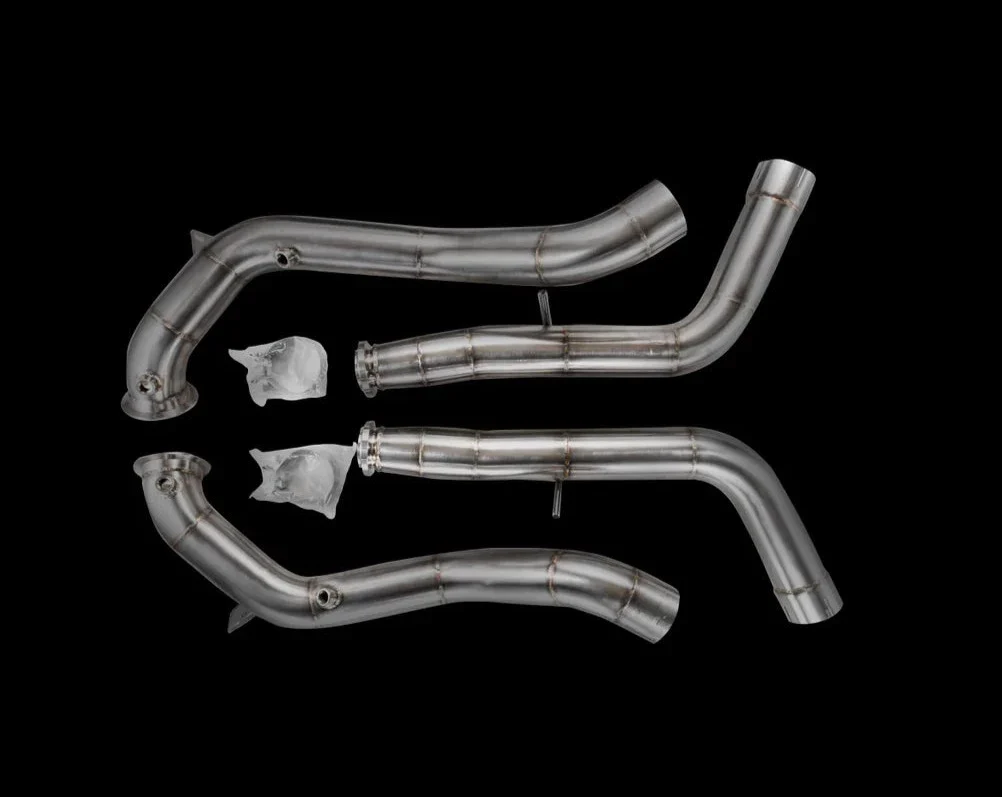
A downpipe connects the turbocharger outlet to the rest of the exhaust system. In turbocharged engines, its design influences how exhaust gases travel through the system. Depending on the configuration, an aftermarket downpipe may reduce restrictions and create a more pronounced exhaust note.
The results vary according to the engine, catalytic converter arrangement, ECU calibration, and other supporting modifications. Some drivers prioritize a subtle improvement in sound, while others want a more aggressive performance-oriented setup.
Before purchasing any exhaust component, check the exact vehicle generation, model year, engine variant, and existing emissions equipment. Mercedes-AMG models can have different exhaust layouts even when their names appear similar.
Mercedes-AMG GT63 X290 Downpipes
The Mercedes-AMG GT63 X290 attracts enthusiasts who want luxury, dramatic styling, and powerful performance in one package. Its exhaust system contributes to the vehicle’s distinctive character, making carefully selected upgrades appealing to owners seeking a more personalized sound.
mercedes gt63 x290 downpipes should be chosen according to the precise GT63 variant and factory exhaust configuration. A compatible system can help deliver the intended exhaust tone while maintaining proper connections and clearances around surrounding components.
Material selection also matters. High-quality stainless steel is commonly used in performance exhaust manufacturing because it offers durability and resistance to corrosion. Consistent welds, accurate sensor provisions, and appropriate heat management are additional features worth evaluating before making a purchase.
Professional installation can help prevent exhaust leaks, unwanted vibrations, and fitment problems. Owners should also consider whether an exhaust modification could affect warranty coverage or compliance with local road-use regulations.
Downpipe Options for the Mercedes E53 AMG
The Mercedes E53 AMG offers a blend of everyday comfort and sporty performance. Drivers who want to personalize its exhaust characteristics should look for components designed specifically for their model and engine configuration.
A downpipe mercedes e53 amg upgrade may change exhaust sound and flow, but the extent of any performance improvement depends on the complete setup. It is important to review the manufacturer’s specifications instead of relying entirely on general performance claims.
Check compatibility with oxygen sensors, catalytic converters, and the factory exhaust connections. If ECU tuning is being considered alongside the hardware upgrade, consult a qualified specialist to determine whether the components work together safely and reliably.
Mercedes E63 W213: Catted and Catless Downpipes
The Mercedes-AMG E63 W213 is popular among enthusiasts who appreciate strong acceleration and a commanding exhaust note. When exploring aftermarket options, one of the main decisions involves choosing between catted and catless downpipes.
mercedes e63 w213 catted and catless downpipes differ primarily in their catalytic converter configuration. Catted versions retain catalytic converters, although their design and emissions performance depend on the specific product. Catless versions remove catalytic converters from the modified section, which can significantly increase emissions and may create legal, inspection, or roadworthiness problems.
Catless configurations may also produce stronger exhaust odors, trigger engine warning lights, and require additional calibration. Neither option guarantees a particular power increase. Buyers should check local regulations and consider emissions-compliant alternatives before modifying the original system.
Choosing the Right Components
When comparing downpipes for Mercedes-AMG models, prioritize accurate fitment, durable construction, clear product documentation, and compatibility with the factory electronics. A reputable installer can inspect the existing exhaust system and explain potential consequences before work begins.
After installation, the exhaust should be checked for leaks, sensor-related faults, unusual noises, and clearance issues. Following the manufacturer’s recommendations can also help maintain long-term reliability.
Conclusion
Downpipe upgrades can offer Mercedes-AMG GT63 X290, E53 AMG, and E63 W213 owners different ways to personalize their vehicles. The right choice depends on the specific model, desired exhaust character, component quality, and applicable emissions requirements. By researching compatibility carefully and choosing professional installation, enthusiasts can make better-informed decisions while protecting their vehicle’s reliability and road legality.