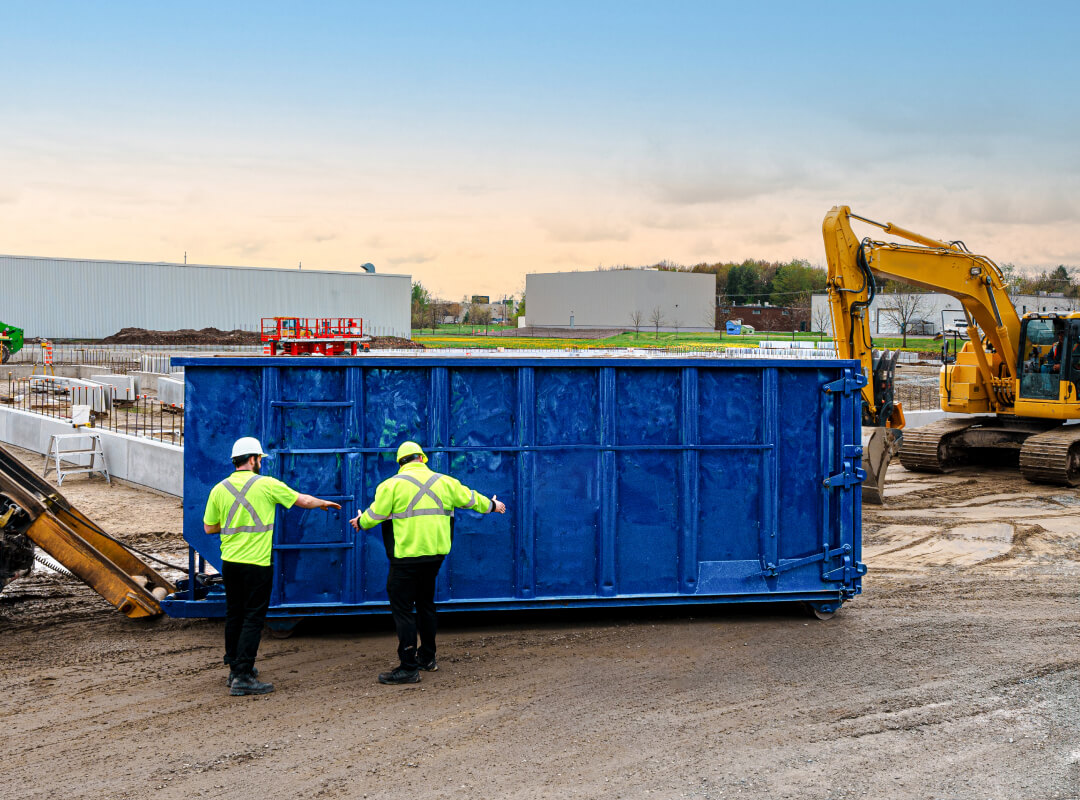
Most projects have a moment when the plan starts to feel real. The old kitchen cabinets are ready to come out, the contractor has confirmed the first day of work, or the garage is finally being cleared after years of collecting things nobody uses anymore. It’s an exciting stage, but it also brings a practical question: where will all the waste go?
A dumpster can make cleanup much easier, yet the container itself is only one part of the service. Timing, placement, communication, and collection all affect how smoothly the job runs. When these details are handled well, waste removal becomes something you barely have to think about. When they aren’t, a simple cleanup can turn into a frustrating delay.
Planning the Delivery Before Work Begins
A successful waste removal plan starts before the first piece of debris goes into the container. Consider the project’s timeline, the amount of material expected, and the location where the dumpster will sit. A home renovation may need a container before demolition starts, while a yard cleanup might not require delivery until branches and other debris are ready to be removed.
Good planning also helps avoid unnecessary rental days. If a dumpster arrives too early, it may sit unused while other work is being completed. If it arrives too late, debris can pile up in hallways, garages, or driveways, leaving workers with less room to move safely.
That’s why dumpster delivery should be coordinated with the actual needs of the project. Confirm the date, approximate arrival window, container size, and placement instructions with the provider. If the dumpster needs to go into a tight driveway or a particular section of a property, explain those details ahead of time. A quick conversation can prevent a lot of last-minute rearranging.
It’s worth checking the site before delivery day, too. Move parked vehicles, clear the intended area, and look for low branches or overhead obstructions. The truck needs enough space to reach the location and position the container safely. If street placement is necessary, ask whether local permission is required.
Why Scheduling Can Make or Break a Project
Time has a way of slipping away during construction and cleanup. A job that was expected to take three days may stretch into a week because materials arrive late, hidden damage appears, or weather interrupts the work. Waste collection needs to fit around these realities rather than become another obstacle.
Dependable scheduling helps homeowners, contractors, and property managers plan with greater confidence. When delivery and pickup dates are clearly communicated, everyone can organize their work around them. Contractors know when they can begin removing materials, and homeowners have a better idea of how long the container will remain on the property.
Before booking, ask how the provider handles schedule changes. Can the pickup be adjusted if the project takes longer than expected? Is an exchange available if the container fills before the scheduled collection? What should you do if debris is ready earlier than planned? These questions may seem minor at first, but they’re useful when a project doesn’t follow the original timetable.
Clear expectations matter as much as flexibility. No service provider can guarantee that every situation will go exactly as planned, especially during busy periods or severe weather. However, a company that communicates promptly and explains its options gives customers a better chance of adapting without unnecessary stress.
Choose a Container That Fits the Work
The right schedule won’t help much if the dumpster is too small or unsuitable for the materials being removed. A garage cleanout might involve boxes, furniture, and general household junk, while a renovation could produce drywall, flooring, lumber, and broken cabinetry. Landscaping work may generate branches, leaves, soil, and other outdoor debris.
Estimate the volume of waste before selecting a container. You don’t need a perfect calculation, but a realistic description of the project helps the provider recommend an appropriate size. Remember that weight is important as well as space. Concrete, dirt, roofing shingles, and masonry can become heavy quickly, so ask about weight allowances and restrictions.
It’s also sensible to confirm which materials are accepted. Paint, chemicals, batteries, tires, electronics, and certain appliances may require separate disposal arrangements. Rules vary by location and provider, so don’t assume that every item can go into a roll-off container.
If you’re unsure about the amount of waste, explain what you’re removing and whether the debris will be produced all at once or over several days. That information can help you avoid paying for unnecessary capacity or arranging a second container halfway through the job.
Communication Makes the Process Easier
A good service experience isn’t only about a truck arriving at the right time. It’s also about knowing whom to contact when a question comes up. Perhaps the driveway is narrower than expected, the container is filling faster than planned, or the contractor needs to adjust the collection date. Clear communication makes these situations easier to manage.
Look for a provider that explains rental periods, loading limits, prohibited materials, and additional charges before the booking is finalized. Ask whether the quoted price includes delivery and collection, how overage fees are calculated, and what happens if the container remains on-site longer than agreed.
Written confirmation is useful. Keep the booking details, scheduled dates, container size, and any special instructions in one place. If several people are involved in the project, share the information with everyone who needs it. This simple step can prevent confusion about who arranged the service or when the container is due to be collected.
The Value of Local Knowledge
Waste disposal requirements and site conditions can vary from one community to another. Some neighborhoods have narrow streets, limited parking, or specific rules for placing containers in public areas. Certain materials may also need to be taken to designated facilities rather than mixed with general debris.
Working with a company that understands the area can make those details easier to navigate. Local support may help customers understand placement requirements, choose a suitable container, and get answers when plans change. A provider familiar with nearby neighborhoods may also be better prepared to discuss practical access concerns before the truck arrives.
That doesn’t mean every local company will automatically offer excellent service. It’s still worth checking reviews, asking questions, and comparing the details of each quote. Look for clear explanations and realistic commitments rather than promises that sound too good to be true.
For contractors who manage several projects, a consistent waste removal provider can also simplify routine planning. Familiar booking procedures and straightforward communication can save time when multiple sites need containers on different dates.
Keep Safety and Cleanliness in Mind
Once the dumpster arrives, use it carefully. Keep walkways clear, distribute debris sensibly, and never load the container above its marked fill line. Avoid placing restricted items inside, and don’t climb into the dumpster to rearrange heavy materials. If something is too awkward to handle safely, get appropriate help.
The area around the container deserves attention as well. Loose debris can create trip hazards, and sharp materials should be handled with suitable protective equipment. Keeping the site tidy throughout the project is easier than trying to clean up a large, scattered pile at the end.
Before pickup, make sure the truck can access the container and that no vehicles or equipment are blocking the route. If the dumpster is full or the project has changed, contact the provider rather than assuming the original arrangements still apply.
A Smooth Cleanup Starts With Clear Expectations
Waste removal may not be the most exciting part of a renovation, construction job, or major cleanout, but it has a real effect on how the work progresses. A suitable container, well-planned delivery, clear scheduling, and responsive communication can prevent avoidable interruptions.
Before making a booking, take a few minutes to explain the project, ask about rental terms, and confirm the delivery and pickup arrangements. These small steps create a clearer plan for everyone involved.
When the service works as it should, the dumpster becomes a practical tool rather than another thing to worry about. You can focus on finishing the project, keep the work area more organized, and move toward the result you had in mind from the beginning.