If you’ve ever stood in your kitchen late at night, listening to a dishwasher hum a little louder than it used to, you’ve probably had the same quiet thought many homeowners do: Is this thing wearing out already? Homes age in subtle ways. Fixtures lose their shine, appliances struggle, pipes make unfamiliar noises. Most of the time, we blame time itself. But often, water has more to do with it than we realize.
Water is everywhere in a home. It touches nearly every system, every surface, every routine. When it’s balanced and predictable, life flows smoothly. When it’s not, the effects ripple outward—slowly, quietly, and persistently.
The Daily Relationship We Rarely Question
We don’t think about water the way we think about electricity or internet service. It’s always there, expected, taken for granted. You turn a handle and trust the result. That trust is usually deserved, but it can also make us overlook small warning signs.
A shower that feels a little less refreshing. A sink that needs constant wiping. Laundry that never feels quite right. These things don’t feel urgent enough to fix. So we adapt. We scrub more. We replace items sooner. We move on.
Over years, those adjustments become habits, and the underlying issue keeps doing its work.
Why Longevity Is About More Than Maintenance
Homeownership comes with an unspoken promise: if you take care of the place, it will take care of you. Regular maintenance helps, but maintenance alone can’t fix systemic issues. Water quality is one of those deeper layers that quietly shapes how long things last.
Mineral-heavy water, inconsistent pressure, and sediment don’t break systems overnight. They wear them down gradually. Heating elements lose efficiency. Valves stick. Pipes narrow. None of this feels dramatic in the moment, but together it shortens the useful life of expensive components.
Addressing water quality at the source can improve lifespan across a surprising range of systems—not because it’s a miracle fix, but because it removes constant low-level stress from the home.
Why Location Changes the Conversation
Where you live matters more than many people realize. Climate, groundwater composition, and municipal treatment all influence how water behaves once it enters your house. In florida homes, for example, water often carries higher mineral content due to local geology and aquifer sources.
That doesn’t mean the water is unsafe. It means it behaves differently. It leaves more residue. It interacts with appliances and plumbing in ways homeowners from other regions might not expect. Add humidity and heat to the mix, and water-related wear can accelerate quietly.
Understanding local water characteristics helps explain why some homes seem to age faster than others, even when they’re built around the same time.
Comfort Is Often the First Thing to Change
Before systems fail, comfort usually shifts. Skin feels dry after showers. Hair behaves unpredictably. Soap doesn’t rinse cleanly. These changes are easy to dismiss as personal or seasonal.
But water plays a role here too. When minerals interfere with how water interacts with soap and skin, daily routines feel subtly harder. People compensate with products, routines, and extra effort, rarely realizing the root cause is flowing from the tap.
Restoring balance doesn’t feel like an upgrade. It feels like relief.
The Role of Softening Without the Hype
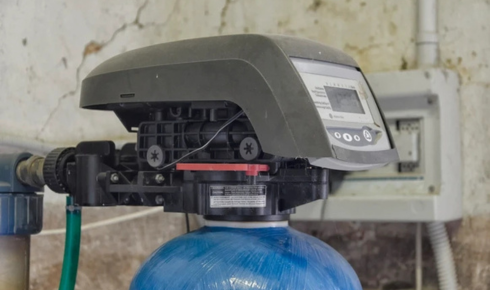
There’s a lot of marketing noise around water solutions, which can make people skeptical. That’s fair. Not every home needs the same setup, and no single system solves every issue. But for many households, a water softener addresses a specific, persistent problem: excess minerals.
Softened water behaves differently. It’s gentler on plumbing. It allows soaps and detergents to work as intended. It reduces buildup inside pipes and appliances. Over time, these small changes add up to fewer repairs, lower energy use, and more predictable performance.
The benefit isn’t dramatic. It’s cumulative.
Appliances Feel the Difference First
Large appliances are often the first to show signs of water-related stress. Dishwashers struggle with residue. Washing machines wear out faster. Water heaters lose efficiency. Replacing these machines feels inevitable, but the timing often isn’t.
When water quality improves, appliances tend to last closer to their expected lifespan. Maintenance becomes routine instead of reactive. Energy bills stabilize. The house feels less demanding.
You don’t celebrate this kind of success. You just notice fewer problems.
The Mental Load of Constant Fixes
There’s an emotional cost to homes that always need something. Another repair. Another replacement. Another “we’ll deal with it later” item on the list. Over time, that background stress becomes part of daily life.
When systems work smoothly, mental space opens up. You stop worrying about the next breakdown. You stop budgeting for surprise repairs. The house feels supportive instead of demanding.
That shift is subtle but powerful.
Prevention Rarely Feels Urgent—but It Works
Preventative improvements are easy to delay because they don’t come with flashing warning signs. There’s no alarm telling you your pipes are slowly narrowing or your heater is losing efficiency. Everything still works—until it doesn’t.
Addressing water quality early spreads costs out over time. It turns emergencies into maintenance and surprises into planning. It’s not exciting, but it’s effective.
And effectiveness is what homeowners appreciate most in the long run.
A Home That Ages Gracefully
All homes age. That’s inevitable. But how they age depends on the systems supporting them. Balanced water helps homes age more gracefully—less strain, fewer sudden failures, more predictable upkeep.
This isn’t about chasing perfection or installing unnecessary equipment. It’s about understanding how water interacts with your space and making informed choices that support long-term comfort.
Letting Water Fade Into the Background Again
In the best homes, water is invisible. It flows when you need it. It doesn’t leave marks, cause stress, or demand attention. You stop thinking about it entirely.
That invisibility isn’t luck. It’s the result of alignment—between water, systems, and daily life.
When water works with your home instead of against it, everything else feels a little easier. And in a world where homes already ask so much of us, that quiet ease might be the most valuable feature of all.