There’s something oddly comforting about turning on a faucet and hearing that familiar rush of water. It feels safe — predictable, even. But sometimes, what looks crystal clear isn’t as innocent as it seems. The truth is, water can carry a mix of invisible troublemakers — metals, chemicals, even living organisms — all quietly flowing into your glass.
We trust our water sources more than we should, and that’s what makes the problem so unsettling. Because when contamination strikes, it’s not just an inconvenience. It’s a health risk that sneaks into our homes, one sip at a time.
The Silent Threat of Lead in Everyday Water
Few things feel more frustrating than discovering your own home’s plumbing might be poisoning you. And yet, that’s exactly what happens with lead in water. Lead isn’t naturally present in most water sources — it seeps in from corroded pipes, old fixtures, or outdated municipal lines.
It doesn’t change the taste or smell of water, so you’d never notice it. But inside your body, it tells a different story — damaging the nervous system, stunting child development, and even affecting memory and concentration in adults.
Think about that: something as ordinary as washing vegetables or mixing baby formula could slowly build up a toxic load. Flint, Michigan, wasn’t just a news headline; it was a warning. A reminder that clean water isn’t a guarantee — it’s a responsibility that starts at the tap and ends with awareness.
Arsenic: The Uninvited Guest Beneath the Ground
If lead is the intruder that sneaks through old pipes, arsenic in water is the uninvited guest that comes straight from the earth itself. Found naturally in rocks and soil, arsenic can dissolve into groundwater supplies — especially in wells or rural systems that lack regular monitoring.
At small doses, you’d never taste it. But over time, exposure can be devastating: skin lesions, heart disease, and even certain cancers. The scariest part? You might live your whole life in a region where arsenic quietly lurks below, with no visible sign to warn you.
Many families rely on private wells without realizing that government testing stops at public sources. So while city water might have safeguards, those in rural or remote areas often need to be their own watchdogs. Testing kits are inexpensive, but few people use them. It’s not about paranoia — it’s about peace of mind.
The Hidden World of Bacteria in Drinking Water
When you hear the word “bacteria,” it probably reminds you of a bad stomach ache or an old science class. But the story of bacteria in water is a lot more complex. Not all bacteria are harmful, but some — like E. coli or coliform — are serious red flags for contamination.
These microorganisms can enter through cracked pipes, flooding, or even poor sanitation around a well. They don’t just make you sick for a day; they can cause long-term health issues, especially for children and the elderly. And here’s the catch — even if your water looks clear, bacteria can still be swimming invisibly through every drop.
A simple boil can kill most pathogens, but prevention is always the smarter path. Regular testing, proper maintenance, and filters certified for microbial removal can make the difference between a safe glass and a dangerous one.
Why the Problem Isn’t Just “Somewhere Else”
It’s easy to assume these problems only happen in remote places or older towns — but that’s far from the truth. Even modern homes can face contamination through aging city infrastructure, construction runoff, or seasonal flooding.
Water moves through complex systems before reaching your tap, and at any point along the journey, it can pick up unwanted passengers. Add climate change to the mix — rising temperatures, unpredictable rainfall, soil erosion — and you’ve got a recipe for instability in water quality.
What’s worse is the human habit of assuming that “clear” means “clean.” We take water for granted because it’s always there — until one day, it’s not safe to drink.
Simple Ways to Protect Yourself
You don’t need to panic, but you do need to stay proactive. Start small:
- Get your water tested. Especially if you use a private well.
- Install a certified filtration system. Look for filters that specifically mention heavy metals, arsenic, and bacteria removal.
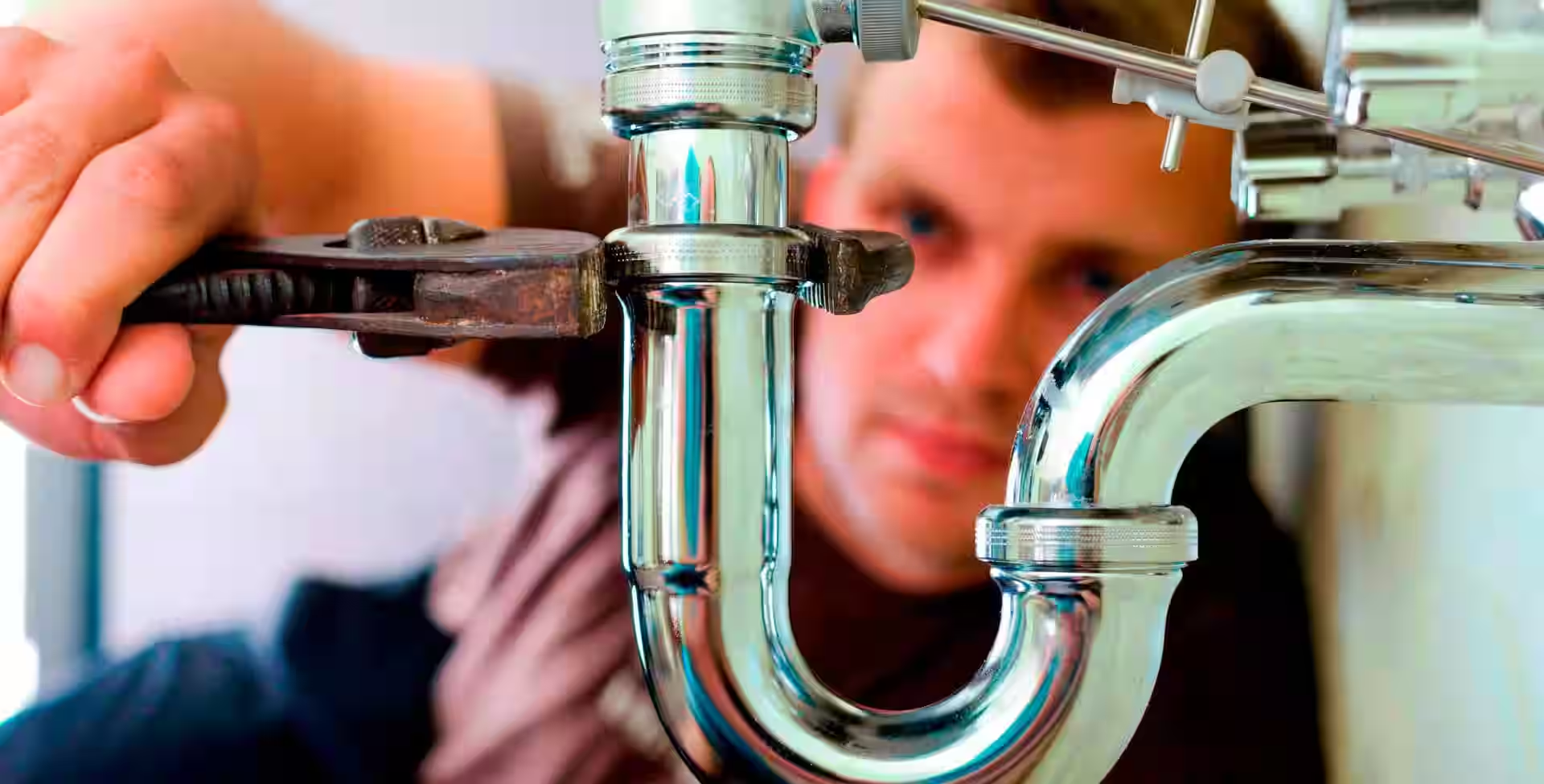
- Keep your plumbing updated. Old pipes can be silent contributors to contamination.
- Pay attention to public reports. Municipal water suppliers publish annual quality reports, though few people read them.
- Store water properly. Even clean water can grow bacteria if kept too long in the wrong conditions.
Clean water isn’t just about health — it’s about dignity. Knowing that what you drink, cook with, and bathe in is truly safe should be a basic human right, not a luxury.
A Closing Thought: Every Drop Counts
We live in a time where we can order groceries online, track our sleep, and filter the air we breathe — yet millions still drink unsafe water every single day. It’s a contradiction that says more about priorities than technology.
You can’t control the entire system, but you can control your awareness. Take the time to check, to ask, to test. Not because you should be afraid, but because you deserve to trust the water that fills your cup.
Clean water shouldn’t be a guessing game. It should be something we can all count on — transparent in every sense of the word.