There’s a certain kind of silence that follows a plumbing problem. The kind that happens after you flush and the water doesn’t go down — that slow, dreadful realization that something’s wrong. Most people never think about their sewer lines until that moment. They’re buried deep beneath the house, doing their job without complaint… until they don’t.
Sewer systems are like the arteries of your home. They carry waste away, keeping everything sanitary and functional. But just like arteries, they can clog, crack, or get invaded by things that don’t belong there. The good news? A little awareness (and occasional maintenance) can save you from a nightmare that starts underground and quickly makes its way into your living room.
When Nature Sneaks In
If you live in an area with big, beautiful trees, there’s a chance their roots are plotting against you. It sounds dramatic, but it’s true. Tree roots love moisture, and underground sewer pipes are practically a beacon calling out, “Free water here!”
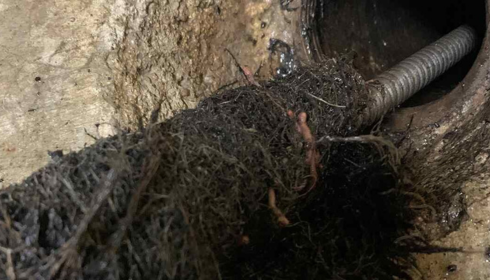
They start small, finding the tiniest crack or loose joint in a pipe, then slowly push through. Once inside, they expand, feeding off the water and nutrients flowing through the system. Over time, they form dense root balls that block water flow and trap debris.
This is where professional root removal becomes crucial. It’s not a one-size-fits-all job — plumbers use specialized tools like root cutters or hydro jetting to clear the system without destroying your pipes. Ignoring the problem isn’t an option. Those roots will keep growing until they break the line completely, and by then, you’re dealing with excavation, not just cleaning.
So, if your drains are gurgling, your lawn has mysterious wet patches, or your toilets are draining slower than usual, it might not be a coincidence. Your trees could be staging a quiet takeover.
Out of Sight, Not Out of Mind
One of the biggest mistakes homeowners make is assuming sewer lines don’t need attention unless there’s a visible problem. But like most systems, prevention beats cure. A proper sewer maintenance plan can keep everything flowing smoothly for years.
Maintenance doesn’t mean daily checkups or endless expenses — just periodic inspections and cleanings from professionals who know what to look for. With modern technology, plumbers use cameras to inspect the insides of pipes without digging. They can spot early signs of trouble — cracks, buildup, root intrusion — and fix them before they turn into costly emergencies.
It’s a small investment for peace of mind. Because the truth is, sewer issues rarely happen overnight. They build up quietly over months, even years. By the time a backup happens, the damage is usually already done.
Think of maintenance like brushing your teeth. You don’t do it because they hurt — you do it so they don’t hurt later.
When Things Back Up
Few household issues are as gut-wrenching as a sewer backup. One moment you’re washing dishes or doing laundry, and the next, water starts coming up instead of going down. That’s not just an inconvenience — it’s a sign your main sewer line is struggling.
At this point, you’re likely dealing with clogged sewer lines, and it’s not the kind of problem that resolves with a plunger. Over time, grease, soap residue, food waste, and other debris build up inside pipes, narrowing the pathway for water to flow. Add a few tree roots or structural damage to the mix, and you’ve got the perfect storm for a full-blown blockage.
The tricky part is that symptoms can be sneaky. Maybe your shower drains slowly. Maybe you hear a gurgle in the toilet every now and then. Those are the system’s early cries for help. The best thing you can do? Call a professional before it escalates. A trained plumber can locate the blockage, clear it, and even show you what’s going on with a live camera feed. It’s oddly fascinating — and slightly gross — to see what’s been hiding in there.
How Modern Tools Make a Difference
Gone are the days when fixing a sewer problem meant tearing up half your yard. Today, technology does the heavy lifting. From trenchless repairs to hydro jetting and camera inspections, modern plumbers can diagnose and solve problems with surgical precision.
Hydro jetting, for example, uses high-pressure water to blast away buildup, grease, and even small roots. It’s like giving your pipes a full-body cleanse without the mess of digging. It’s environmentally friendly, too — no harsh chemicals, just pure water under pressure.
Meanwhile, trenchless pipe repair allows professionals to replace or reline damaged sections of pipe through small access points, saving both time and landscaping. The result? A faster, cleaner, and often more affordable solution.
These innovations have transformed what used to be a dreaded, days-long ordeal into something efficient and surprisingly manageable.
What You Can Do to Help
You don’t need to be a plumber to keep your sewer system healthy. A few small habits make a big difference:
- Watch what goes down your drains. Avoid flushing wipes (even “flushable” ones), grease, coffee grounds, or food scraps. These are the biggest culprits in clogs.
- Be mindful of your landscaping. If you’re planting new trees, keep them far from sewer lines. Choose species with smaller root systems when possible.
- Schedule inspections every couple of years. Even if everything seems fine, regular checks can catch early signs of trouble.
- Pay attention to changes. Slow drains, odd smells, or wet patches in the yard might seem small, but they’re often the first signs of bigger problems.
A little vigilance goes a long way toward avoiding costly repairs.
When Replacement Becomes Inevitable
Sometimes, no amount of cleaning or maintenance can save an old sewer line. Pipes age, corrode, and weaken over time. If your system is decades old, it might be time to think about replacement. It’s not the news anyone wants, but it’s far better to replace proactively than wait for a total failure.
Newer materials — like PVC — are far more resistant to corrosion and root intrusion than old clay or cast iron pipes. Combined with modern installation methods, a new sewer line can last for generations with proper care.
The best way to know if you’re at that stage is to have a professional evaluate your system. They can help you weigh the pros and cons of repair versus replacement, depending on the condition and layout of your lines.
The Calm After the Chaos
Here’s the thing about plumbing problems: once they’re fixed, life feels instantly calmer. You can shower, do laundry, and flush without a second thought. It’s one of those quiet comforts that’s easy to take for granted — until you don’t have it.