Saturday morning arrives, and there you are again, scrubbing mineral deposits from the shower doors. The kettle needs descaling, the kitchen faucet has lost its shine, and those expensive drinking glasses look cloudy despite coming straight out of the dishwasher. If this sounds familiar, hard water might be responsible for several of your recurring household frustrations.
For homeowners across Moorhead, Fargo, and surrounding communities, choosing to reduce hard water scale with softening can be a practical alternative to constantly removing stubborn mineral deposits.
Rather than treating the visible symptoms over and over, water softening addresses the minerals contributing to the problem. It’s a relatively straightforward improvement that can influence everything from household cleaning to appliance maintenance.
Why Hard Water Leaves Its Mark Everywhere
Hard water contains dissolved calcium and magnesium, minerals that occur naturally as water travels through soil and rock formations.
When water evaporates, these minerals can remain behind. That’s why white residue frequently appears around faucets, showerheads, and bathroom tiles.
Heat can encourage scale formation, too. Inside kettles and water heaters, mineral deposits may gradually accumulate on surfaces exposed to heated water.
The problem isn’t necessarily obvious at first. A little residue here, a slightly obstructed showerhead there. Eventually, though, these small inconveniences can become regular maintenance concerns.
While hardness minerals aren’t generally harmful at typical drinking water concentrations, their effects around the home can certainly become frustrating.
Addressing the Cause Instead of Cleaning Up the Symptoms
Cleaning products can help remove existing mineral deposits, but they won’t change the characteristics of your incoming water.
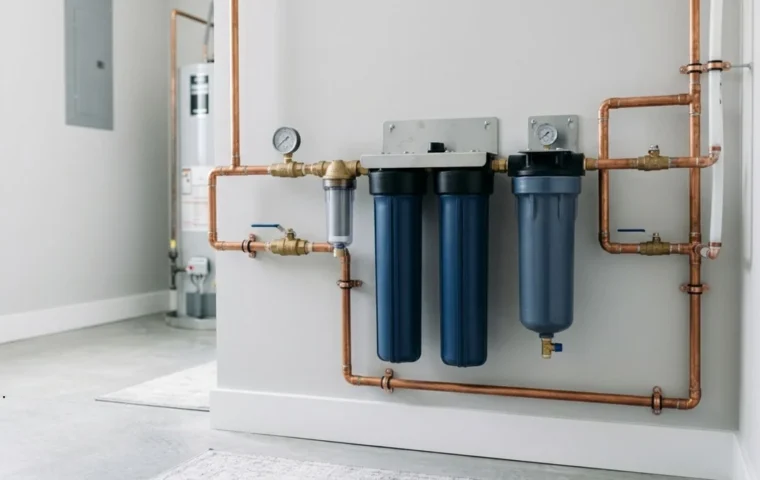
Effective water softening solutions address hardness before water reaches household plumbing fixtures and appliances.
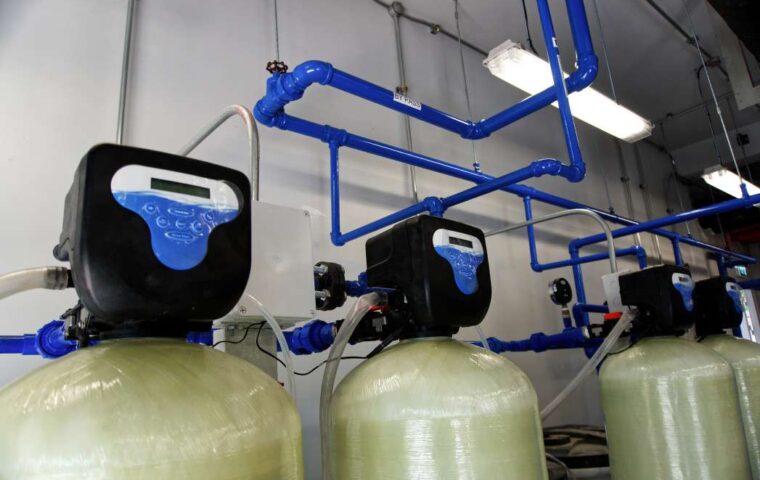
Conventional ion-exchange systems reduce dissolved calcium and magnesium by exchanging them for sodium or, in compatible equipment, potassium ions. The treatment resin periodically regenerates to restore its softening capacity.
With fewer hardness minerals circulating through your plumbing, new scale formation can be reduced significantly.
That doesn’t mean you’ll never have to clean the bathroom again. Other substances can still leave marks and residue. However, reducing hardness can make those familiar cleaning tasks less demanding.
Choosing a Softener That Fits Your Property
There’s no universal system that perfectly suits every household. Water consumption, hardness levels, plumbing arrangements, and available installation space all influence equipment selection.
When comparing water softeners for homes, look beyond the advertised features and consider how the equipment will perform under your household’s actual operating conditions.
A busy family with multiple bathrooms may need greater treatment capacity than someone living alone.
Demand-initiated softeners can adjust regeneration according to measured consumption and programmed settings, potentially reducing unnecessary salt and water usage.
You’ll also want sufficient space around the equipment for maintenance and salt replenishment.
Practical considerations like these often matter more in the long run than an impressive-looking control panel.
Helping Your Water Heater Work More Efficiently
Water heaters are among the household appliances that can be affected by excessive hardness.
As water is heated, mineral deposits may accumulate inside the equipment. Significant scale buildup can interfere with heat transfer and contribute to additional maintenance requirements.
Softening helps reduce the minerals responsible for new deposits, supporting better conditions for equipment operation.
Of course, installing a softener won’t automatically reverse existing damage or restore an older water heater to its original condition.
Routine inspections and appropriate servicing remain important.
Still, considering the expense of replacing household appliances, reducing avoidable mineral buildup is a sensible preventive measure. Especially when you’ve recently invested in new equipment and would rather not deal with unnecessary repairs.
Discovering the Everyday Benefits of Softer Water
One interesting thing about softened water is how its advantages become noticeable through familiar household routines.
Soap may lather more readily, freshly washed towels might feel less stiff, and bathroom fixtures can become easier to maintain.
You may even discover that you’ve been using more laundry detergent than necessary.
Hardness minerals interact with certain cleaning products, reducing their effectiveness. With softer water, adjusting detergent quantities according to product recommendations may help you achieve satisfactory results with less product.
Some homeowners initially find softened water unfamiliar because of the way it feels during showers. Give yourself a little time to adjust.
Eventually, the difference may simply become another pleasant part of your daily routine.
Understanding What Water Softening Cannot Do
A water softener is designed to address hardness, not every possible water quality concern.
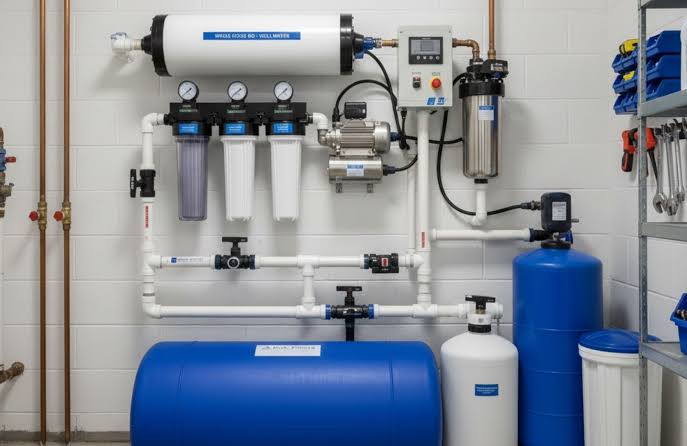
If your drinking water contains suspended particles, unpleasant chlorine odors, bacteria, or particular chemical contaminants, additional treatment may be necessary.
This is particularly important for private well owners in Minnesota and North Dakota.
Reliable water testing helps determine whether your household needs softening alone or a combination of treatment technologies.
Before installation, discuss measured hardness levels, regeneration requirements, maintenance expenses, and equipment capacity with a qualified professional.
Taking the time to understand your water can help you avoid purchasing unnecessary equipment while ensuring genuine concerns receive appropriate attention.
Making Softer Water a Long-Term Household Improvement
Water softening might not be as visually exciting as remodeling a kitchen or installing new flooring, but its value can become apparent almost every day.
For homeowners throughout Minnesota and North Dakota, managing excessive hardness can mean fewer recurring mineral deposits, more manageable cleaning routines, and better protection against new scale formation.
Choose equipment thoughtfully, maintain it consistently, and monitor its performance over time.
Sometimes, improving your home isn’t about adding something extravagant. It’s about removing the little frustrations that have quietly become part of everyday life.
And spending fewer Saturday mornings scrubbing stubborn mineral deposits? That’s certainly a welcome place to start.