It usually starts with something small. A few white spots around the kitchen faucet, a cloudy drinking glass, or a showerhead that doesn’t spray quite as evenly as it used to. Over time, these little annoyances become part of your cleaning routine. You scrub, rinse, and repeat, but the deposits always seem to find their way back.
For homeowners experiencing these frustrations, water softeners for mineral buildup offer a practical way to address excessive hardness rather than constantly dealing with its visible effects.
The good news is that managing hard water doesn’t necessarily require a complicated household renovation. Understanding how minerals affect your plumbing, appliances, and daily routines can help you make a sensible decision about treatment.
Where Does All That Mineral Buildup Come From?
Water naturally absorbs dissolved minerals as it travels through underground soil and rock formations. Calcium and magnesium are particularly important because they contribute to water hardness.
When hard water evaporates, these minerals can remain behind. That’s often what creates those familiar white marks around faucets and shower doors.
Heat can encourage mineral scale formation, too, which explains why kettles and water heaters frequently experience buildup.
The problem isn’t limited to what you can see. Deposits may also develop inside plumbing components and water-using appliances.
Although hardness minerals aren’t generally considered harmful at typical drinking water concentrations, their household effects can become inconvenient and potentially expensive to manage.
Getting Water Softening Right From the Beginning
Purchasing a softener is only one part of improving your household water. How that equipment is installed and maintained matters just as much.
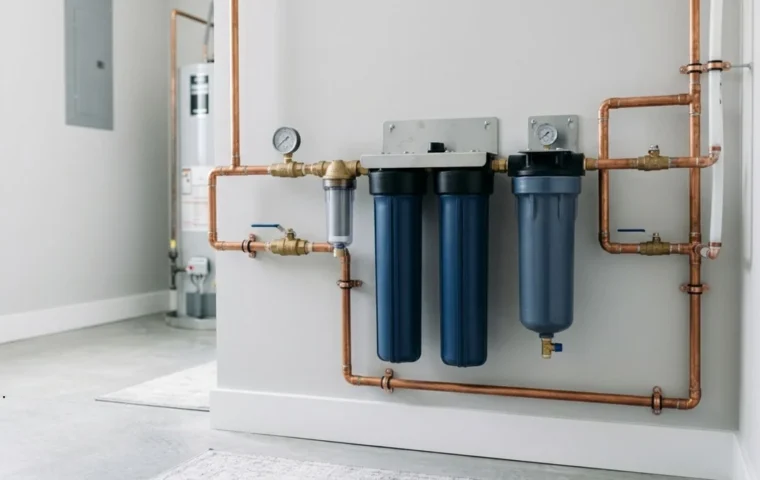
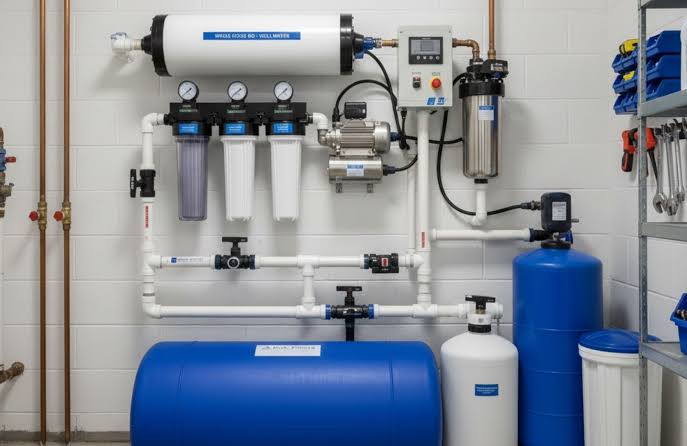
Professional water softener installation and service can help ensure that equipment is appropriately sized, connected, and configured according to your property’s requirements.
An installer should consider measured hardness, household water consumption, incoming pressure, and available plumbing connections.
Equipment placement deserves attention, too. There should be enough room to replenish salt, inspect components, and perform routine maintenance without unnecessary difficulty.
A properly configured system can help maintain consistent softening performance while avoiding excessive regeneration.
It’s worth getting these details right early rather than discovering installation problems several months down the road.
Understanding What Water Conditioning Can Do for Your Home
Not every water quality concern requires the same approach. Some households struggle primarily with hardness, while others experience suspended particles, unpleasant odors, or iron-related staining.
A thoughtful approach to residential water conditioning considers these individual challenges and identifies suitable treatment methods based on reliable water quality information.
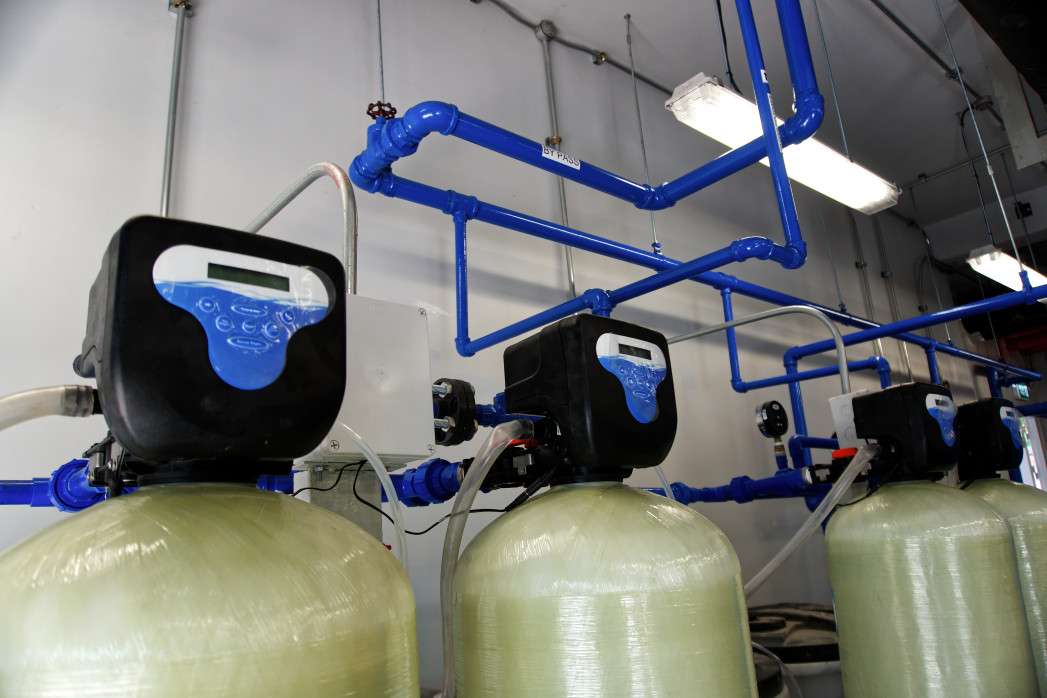
Conventional ion-exchange softeners reduce dissolved calcium and magnesium by exchanging them for sodium or, in compatible systems, potassium ions.
Other conditioning technologies may help manage scale without removing hardness minerals.
Understanding these differences helps homeowners establish realistic expectations about treatment performance.
Rather than purchasing equipment based solely on advertising, focus on what your water actually needs and which technology can deliver the desired improvement.
Giving Your Household Appliances a Little Extra Protection
Replacing a water heater unexpectedly isn’t exactly how most people want to spend their savings. The same goes for dishwashers and washing machines.
Mineral scale can gradually accumulate inside water-heating equipment, potentially interfering with heat transfer and contributing to additional maintenance requirements.
Suitable softening helps limit new hardness-related deposits, making it a worthwhile consideration for homeowners looking to protect their existing appliances.
However, softened water won’t automatically repair previous damage. Equipment that has already experienced significant buildup may require professional servicing.
Think of water softening as a preventive measure rather than an instant repair.
Looking after the water entering your appliances is one practical way to support their continued operation.
The Everyday Differences You Might Notice
Some of the most appreciated benefits of softer water have surprisingly little to do with plumbing.
Take laundry, for example. Hardness minerals can interfere with certain detergents, sometimes leaving fabrics feeling stiff or less pleasant to handle.
With softened water, soap may lather more readily, and washing clothes can become a more satisfying experience.
Bathroom cleaning may also become easier as new mineral deposits accumulate more slowly.
You might even find yourself adjusting the amount of detergent you use, following product recommendations for softer water.
These changes aren’t necessarily dramatic on their own. But when you experience them repeatedly throughout the week, they can add up to a meaningful improvement in everyday comfort.
Keeping Your Softener Working Reliably
A water softener shouldn’t demand constant attention, but it does need occasional maintenance.
Conventional systems require regenerating salt, and the brine tank should be checked regularly according to manufacturer recommendations.
Unexpected changes in water hardness, unusual salt consumption, or recurring mineral deposits may indicate that the equipment needs attention.
When consulting a provider such as Hawkins Water, ask about maintenance schedules, servicing arrangements, and anticipated operating expenses.
Periodic hardness testing can also help determine whether your equipment continues performing as intended.
A straightforward maintenance routine is generally much easier to manage than dealing with an unexpected equipment problem.
Making Mineral Buildup a Smaller Part of Your Life
Hard water can quietly create extra work throughout your home. From cleaning shower doors to descaling kitchen appliances, those repetitive chores gradually consume valuable time.
Appropriate water softening offers a practical opportunity to address the source of many mineral-related frustrations.
Begin with reliable testing, choose equipment that suits your household, and maintain it consistently.
The improvements may become noticeable through cleaner-looking fixtures, more manageable laundry routines, and fewer new scale deposits.
Sometimes, the best investments in your home aren’t the ones visitors immediately notice. They’re the ones that make ordinary responsibilities easier and give you a little more freedom to enjoy your day.
Softer water can be exactly that kind of improvement.